A 7-minute read
Deeper Discovery Among the Centuries in Seville
How everyday walks, ancient walls, and a cathedral rooftop revealed the extraordinary engineering woven into an ordinary city.
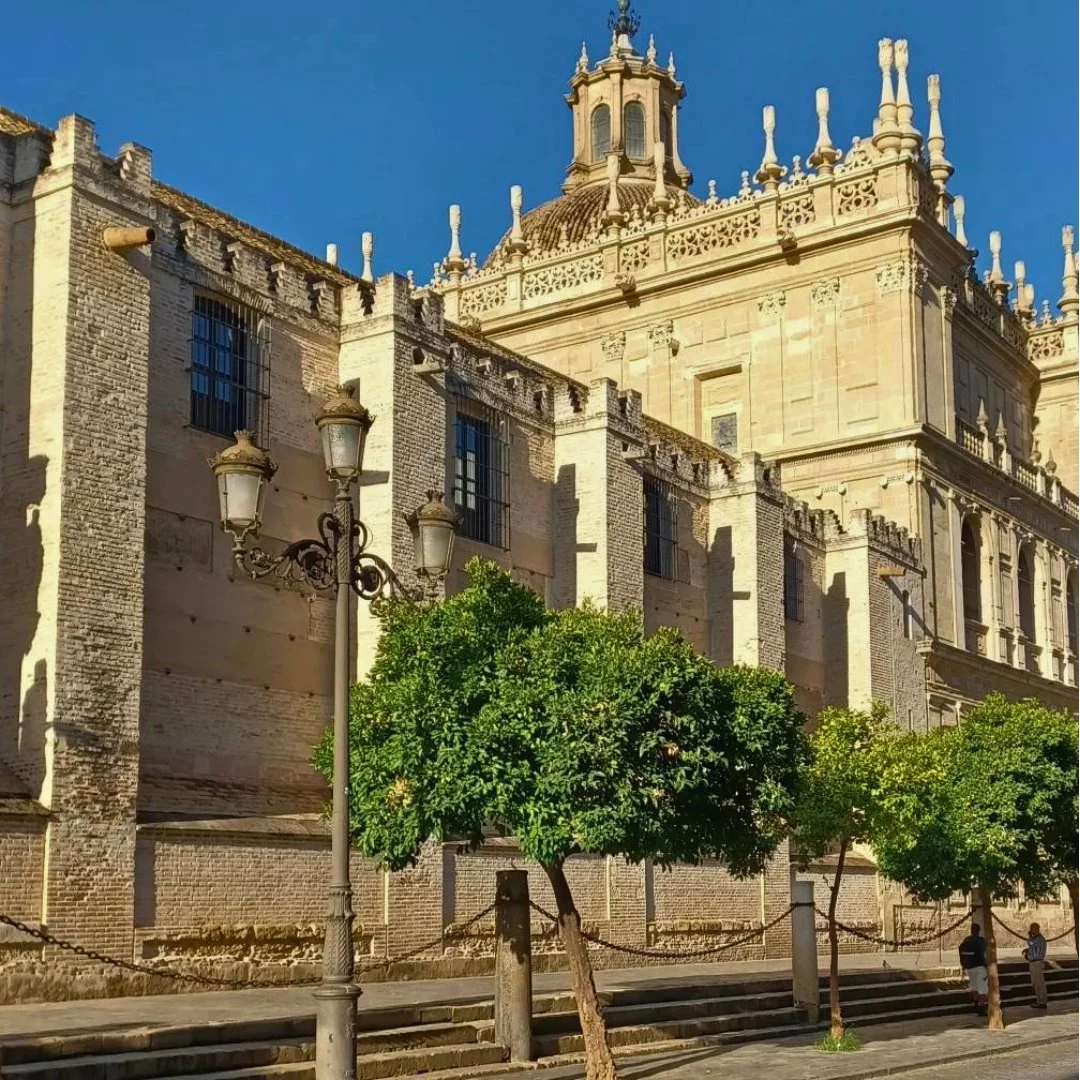
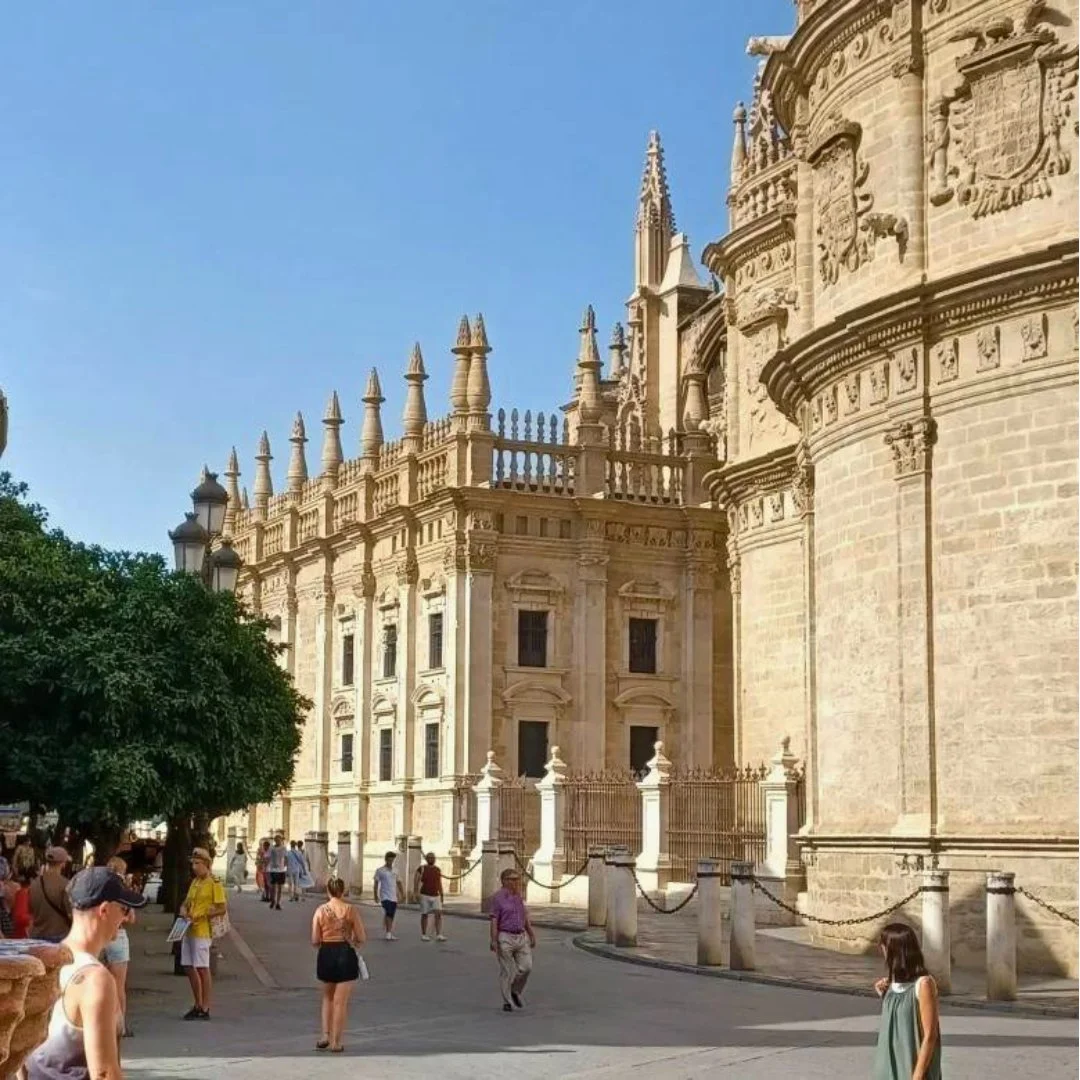
I spent six weeks in Seville studying Spanish, living in an apartment just a stone's throw from the garden gate of Seville Cathedral. Most mornings before class, I walked around the cathedral and toward the Guadalquivir River.
It was a pleasant routine, but hardly an ordinary one.
The cathedral was so immense that I couldn't capture it from end to end in a photograph. No matter where I stood or how far I tried to zoom out, there was always more building beyond the frame. And despite walking past it almost every day, I kept noticing something new.
That became a familiar pattern during my time in Seville. I'd set out for class, a restaurant, or a train station and find myself wondering about something built centuries before any of those destinations existed.
I hadn't come to Seville with an archaeological itinerary. But the city had other ideas.
A Cathedral That Refused to Fit in the Frame
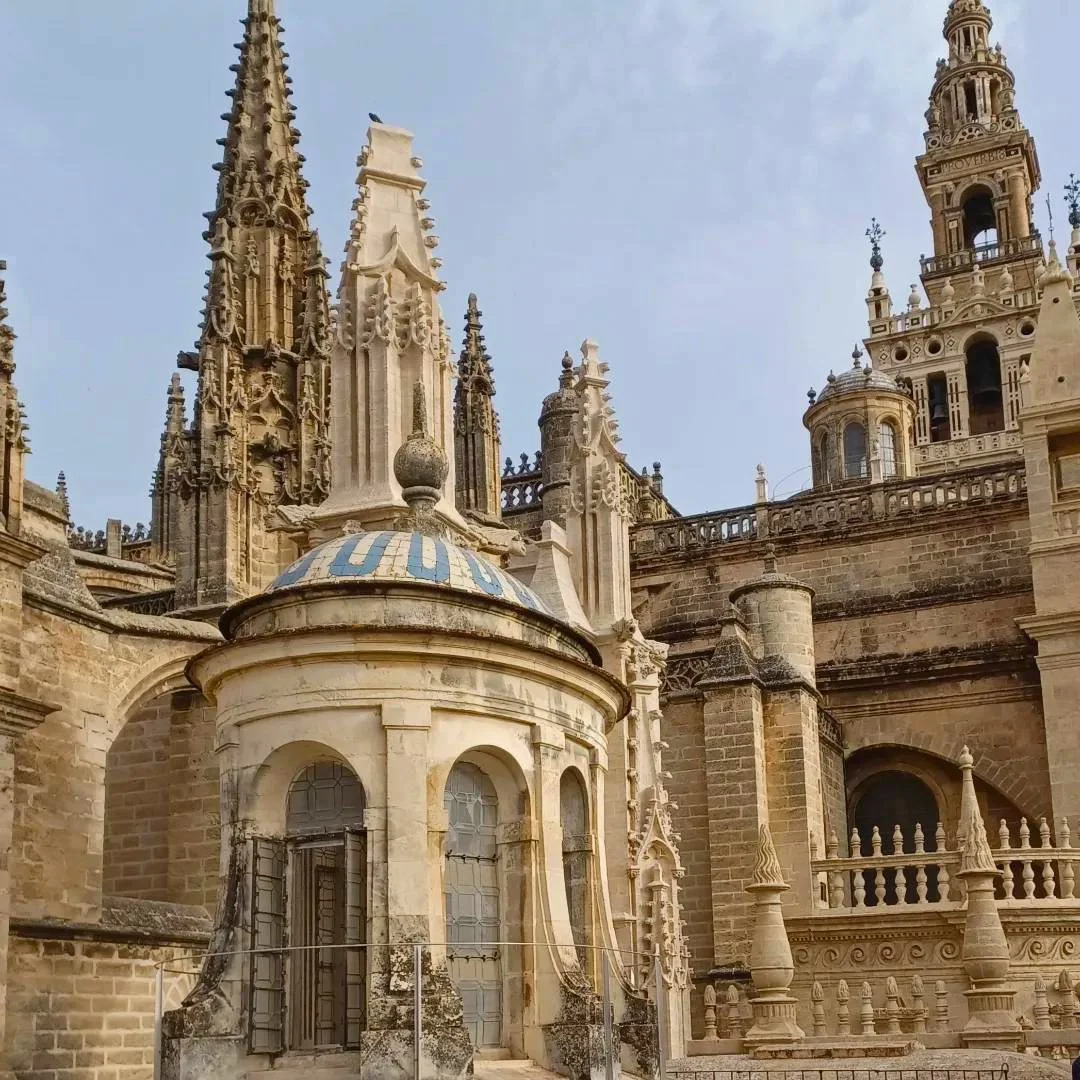
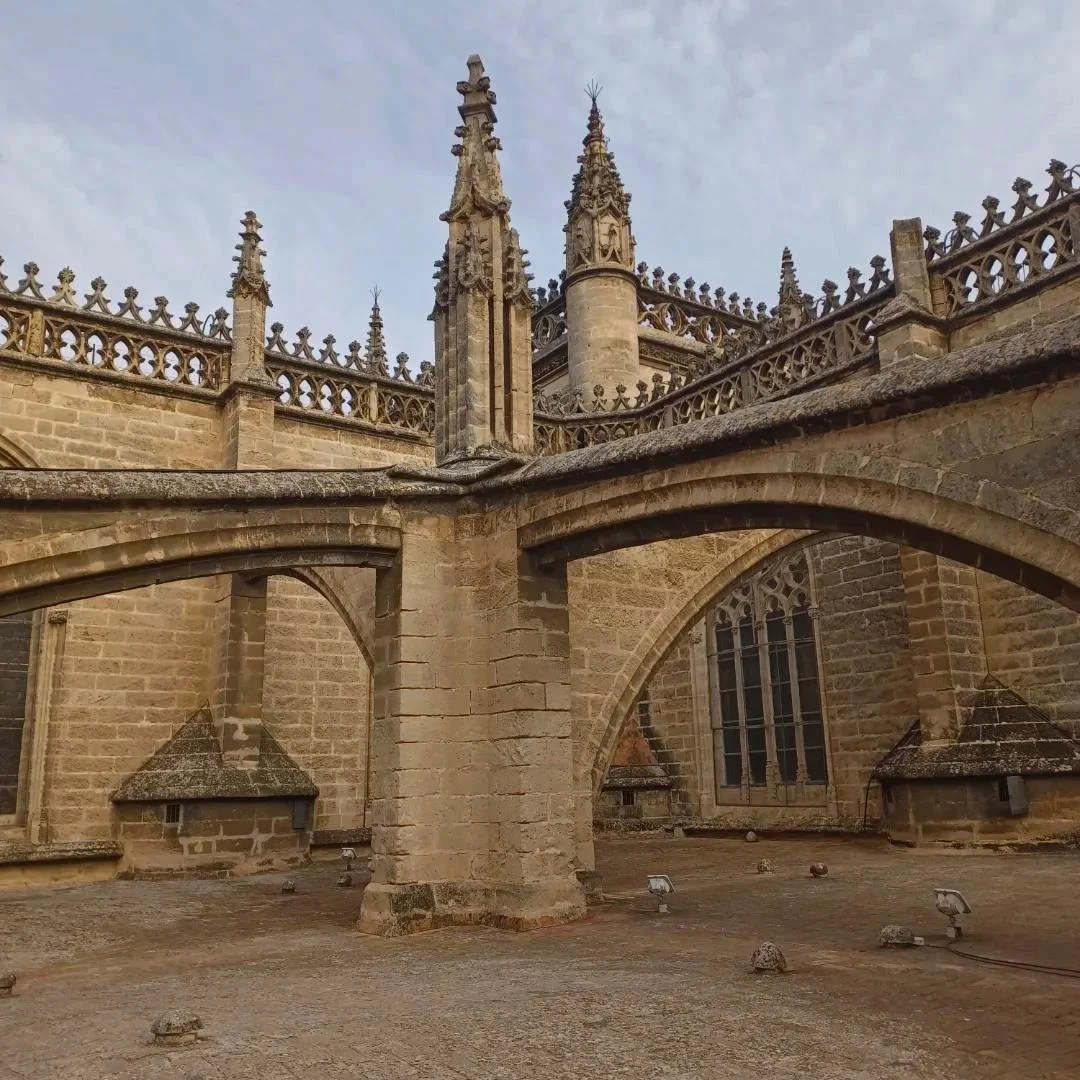
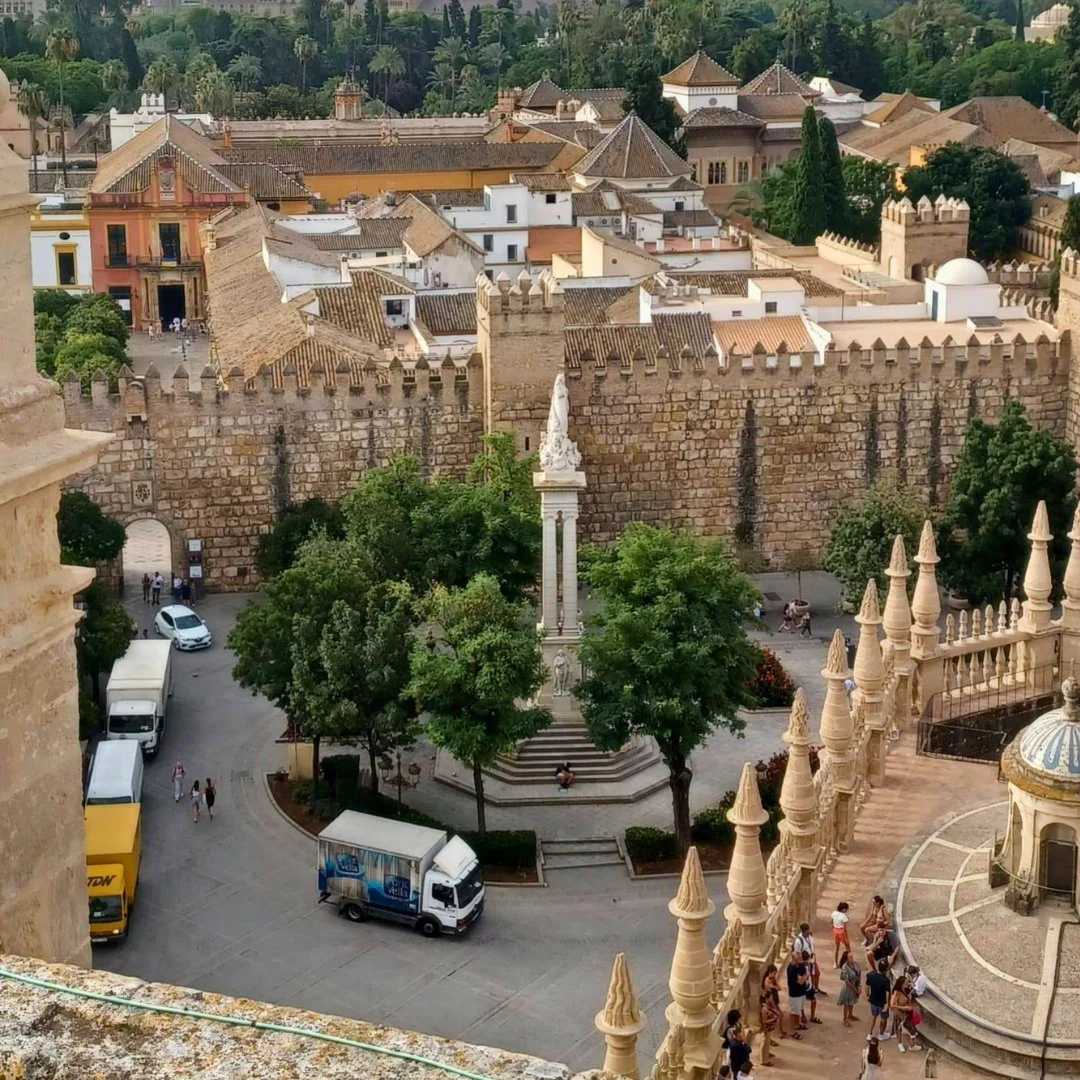
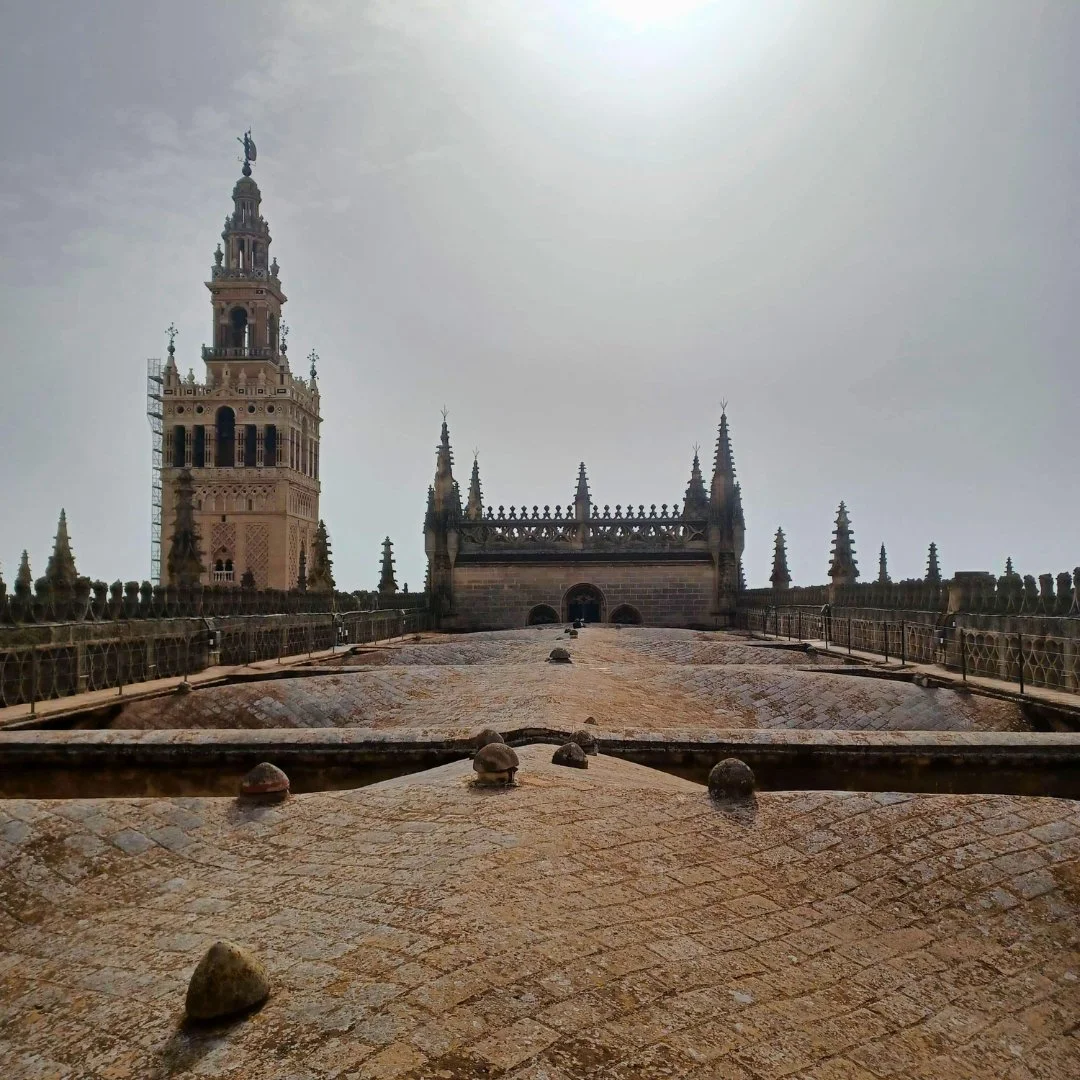
Seville Cathedral is impressive from the ground, but its rooftop offered an entirely different perspective.
I took two specialized tours about a week apart: one exploring the rooftops and another focused on stained glass. Both brought me into parts of the cathedral I never would have discovered simply wandering through its enormous interior.
On the rooftop tour, we walked among structures built during different periods, passing stonework, arches, and supporting elements that revealed something of how this extraordinary building came together.
And then there were the details.
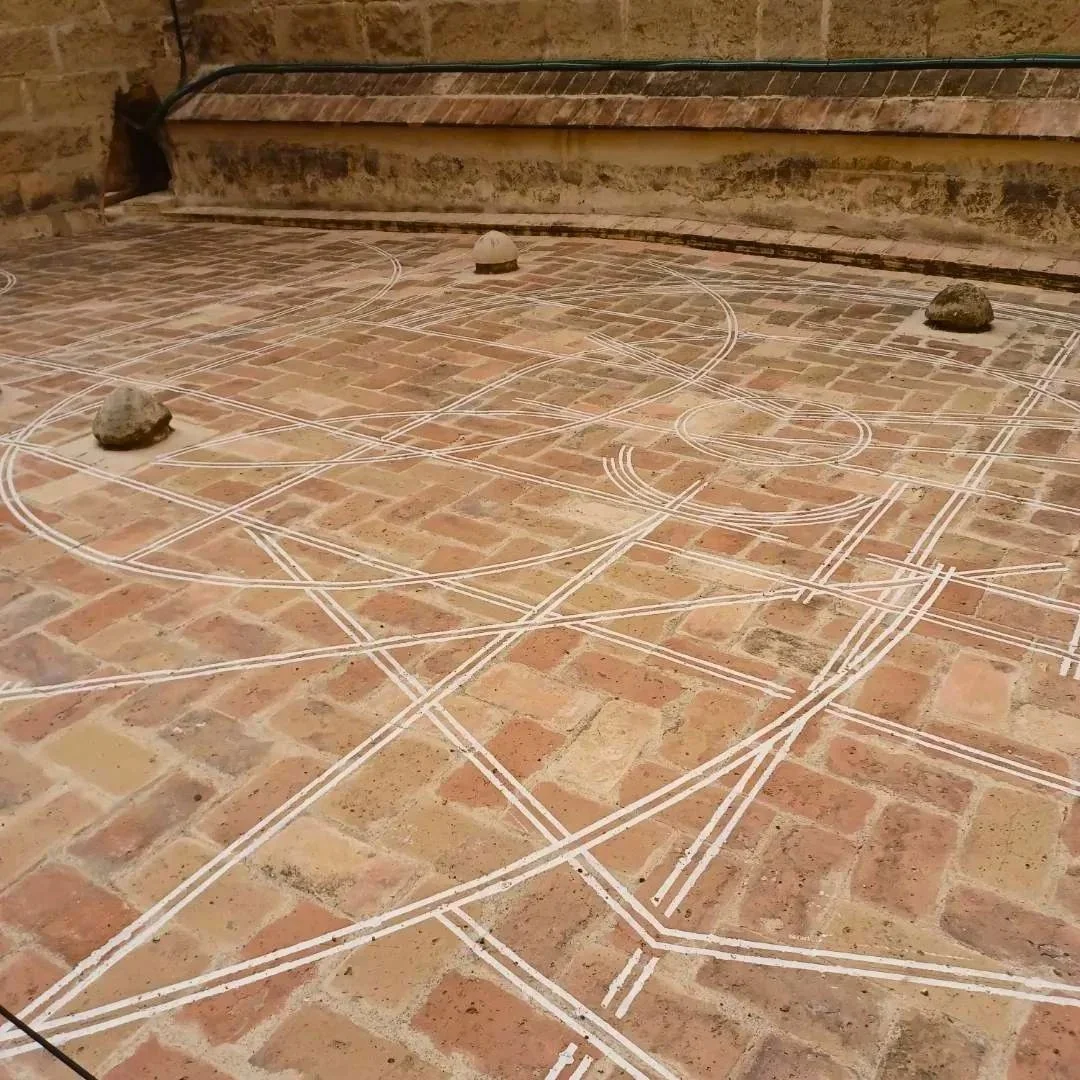
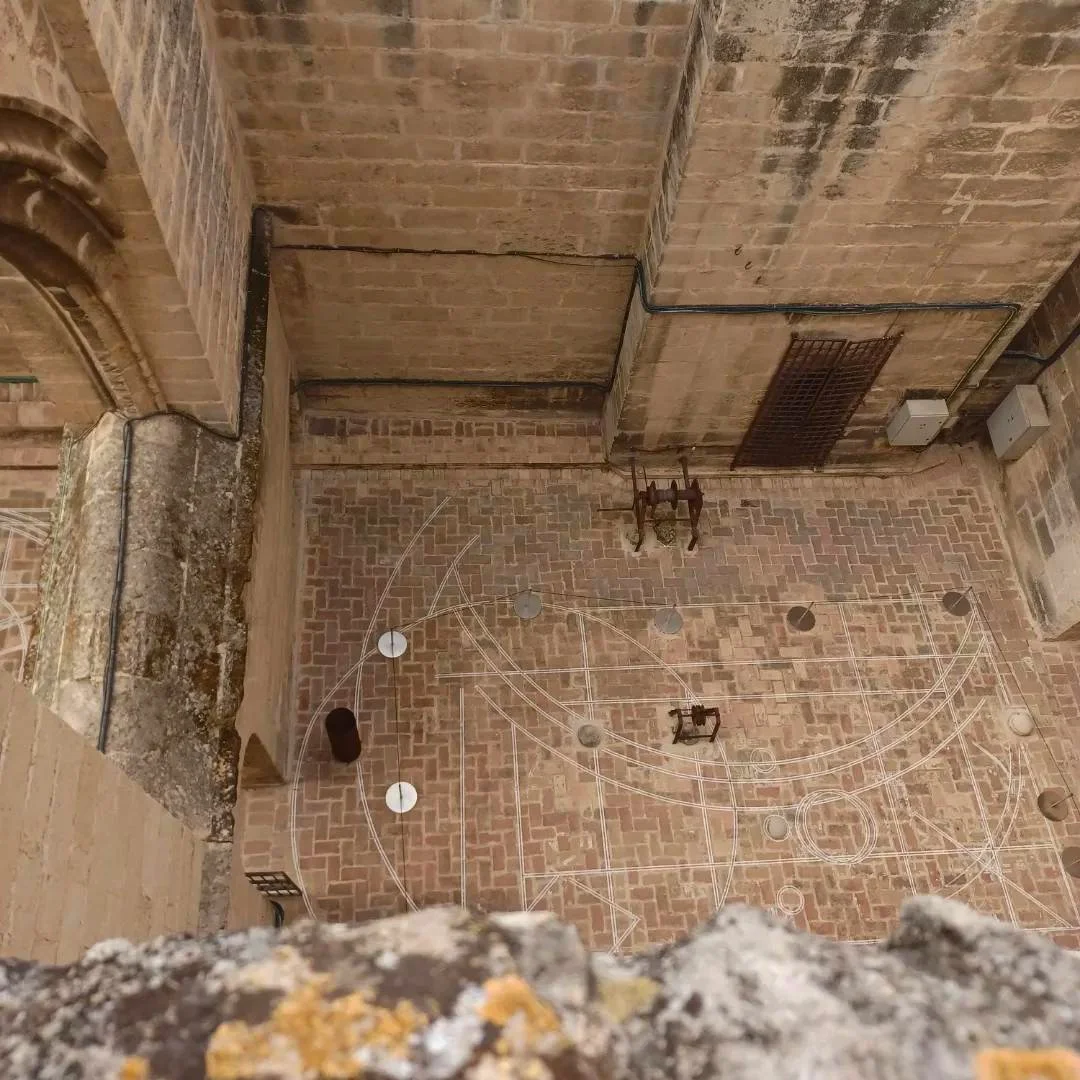
Our guide showed us geometric markings laid out across rooftop surfaces. These served as full-scale templates for stonecutters creating the flying buttresses, arches, and vaults that helped shape and support the cathedral. Imagine the precision required to translate lines drawn on a working surface into massive stone elements that would fit together and remain standing for centuries.
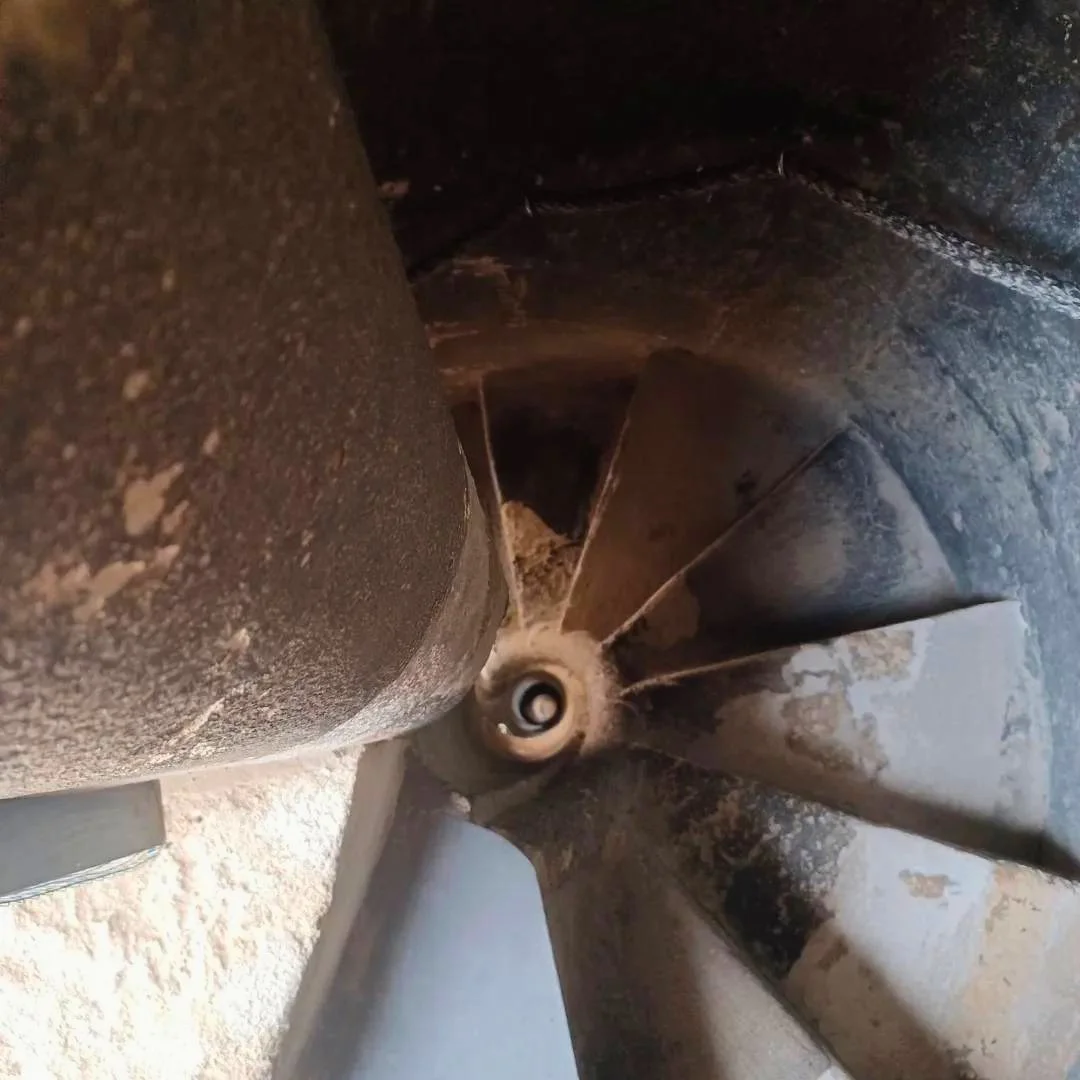
There were also openings, chains, and stone caps associated with the cathedral's lighting arrangements. The mechanisms allowed lights to be raised, lowered, or repositioned according to changing needs. Those holes in the ceiling might look like ventilation openings, but they were actually used for chains that suspended the lights—which, back in the day, meant candles. And now you know!
I found these practical details as fascinating as the cathedral's grandeur.
It's easy to admire a Gothic window. It's another thing entirely to stand where its builders worked and consider how they figured out the geometry, made the pieces, and put them into place.
How did they do it?
That question followed me throughout Seville.
A Different View From Above
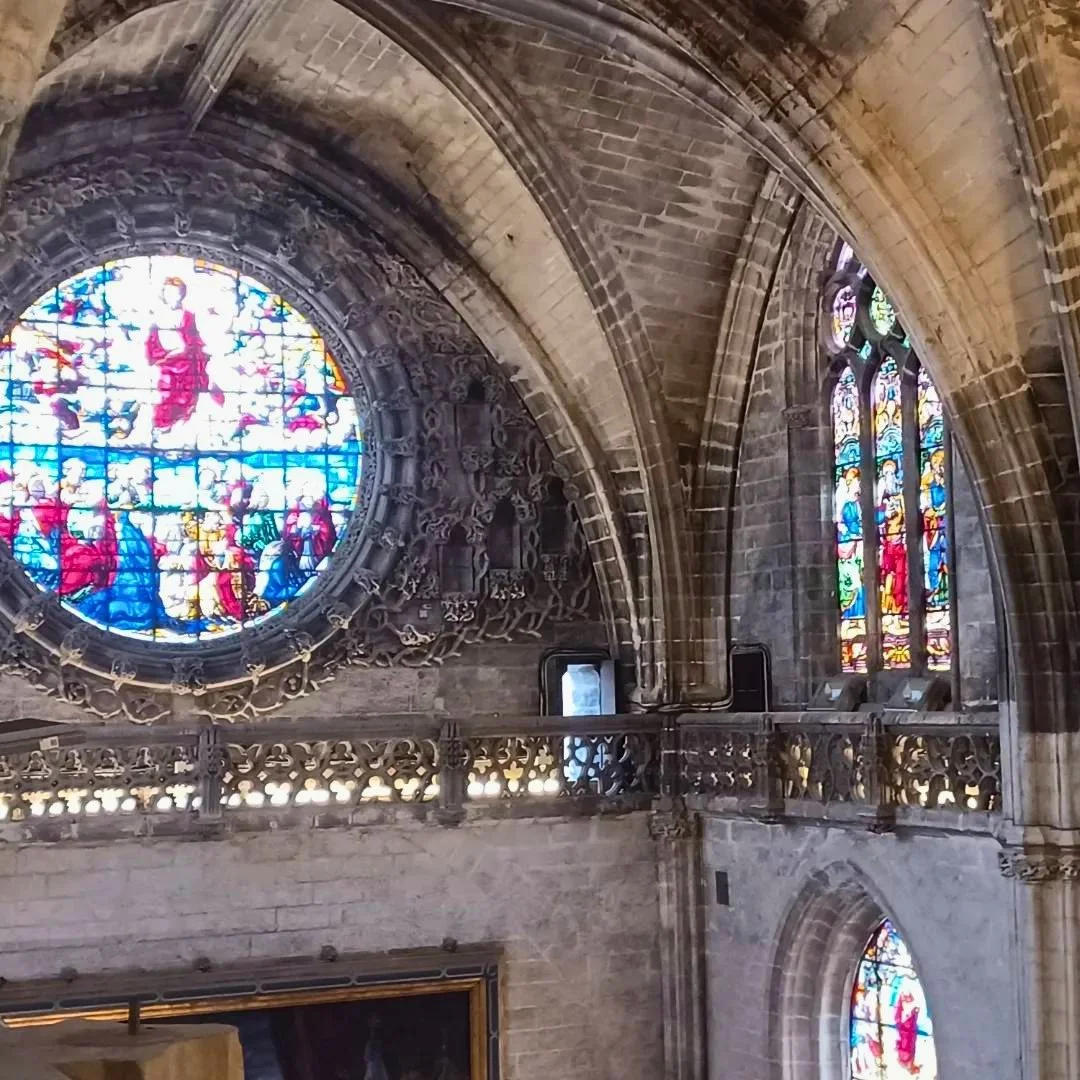
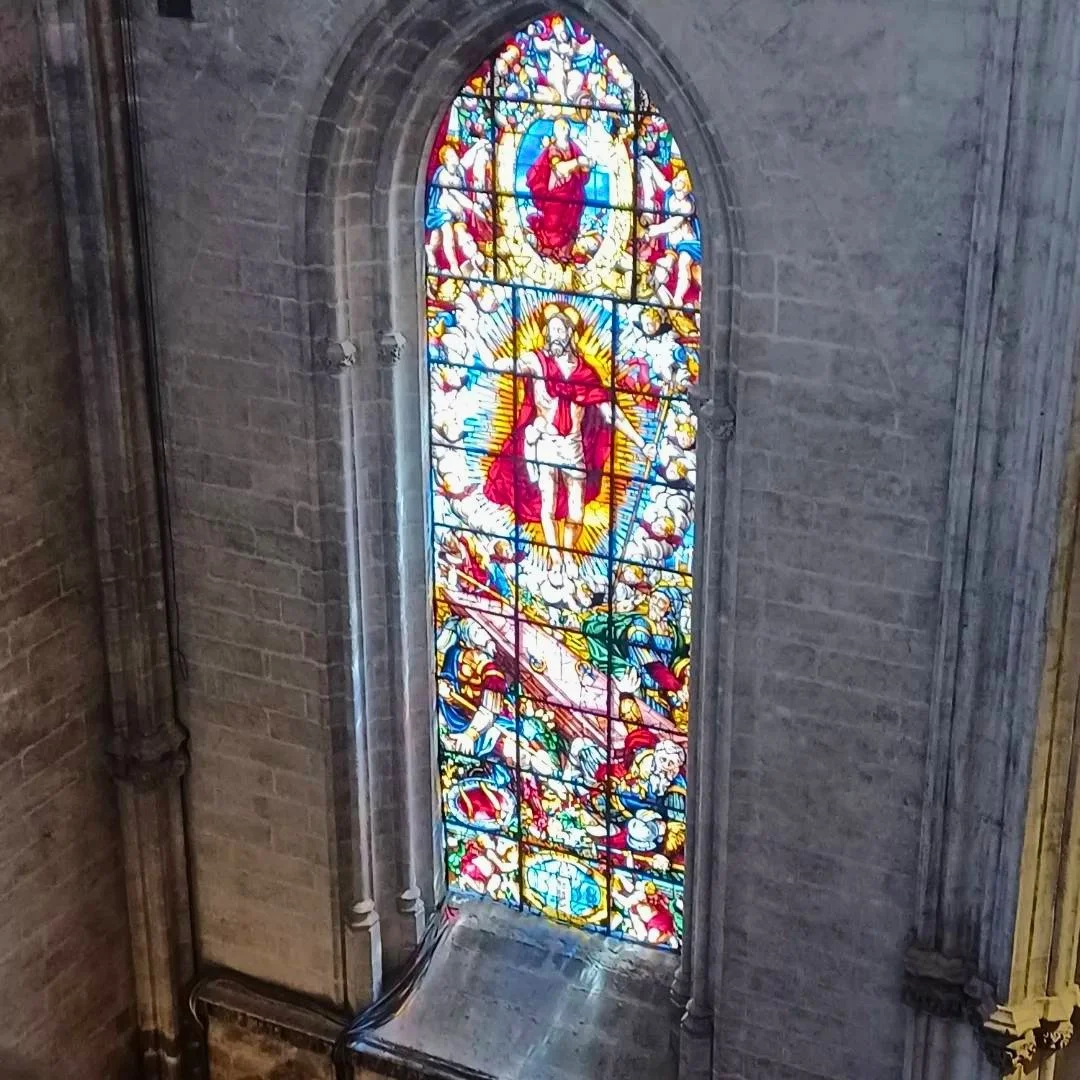
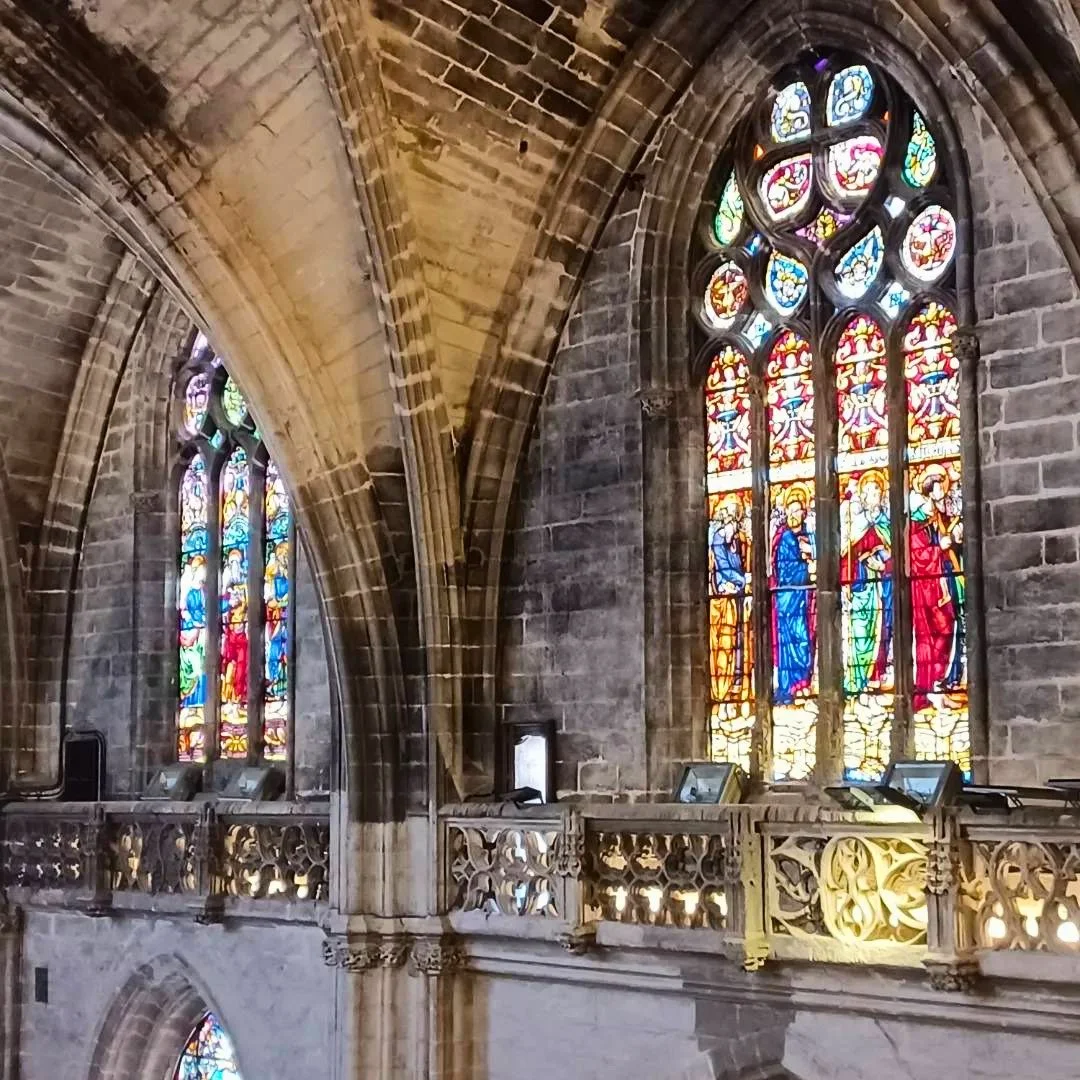
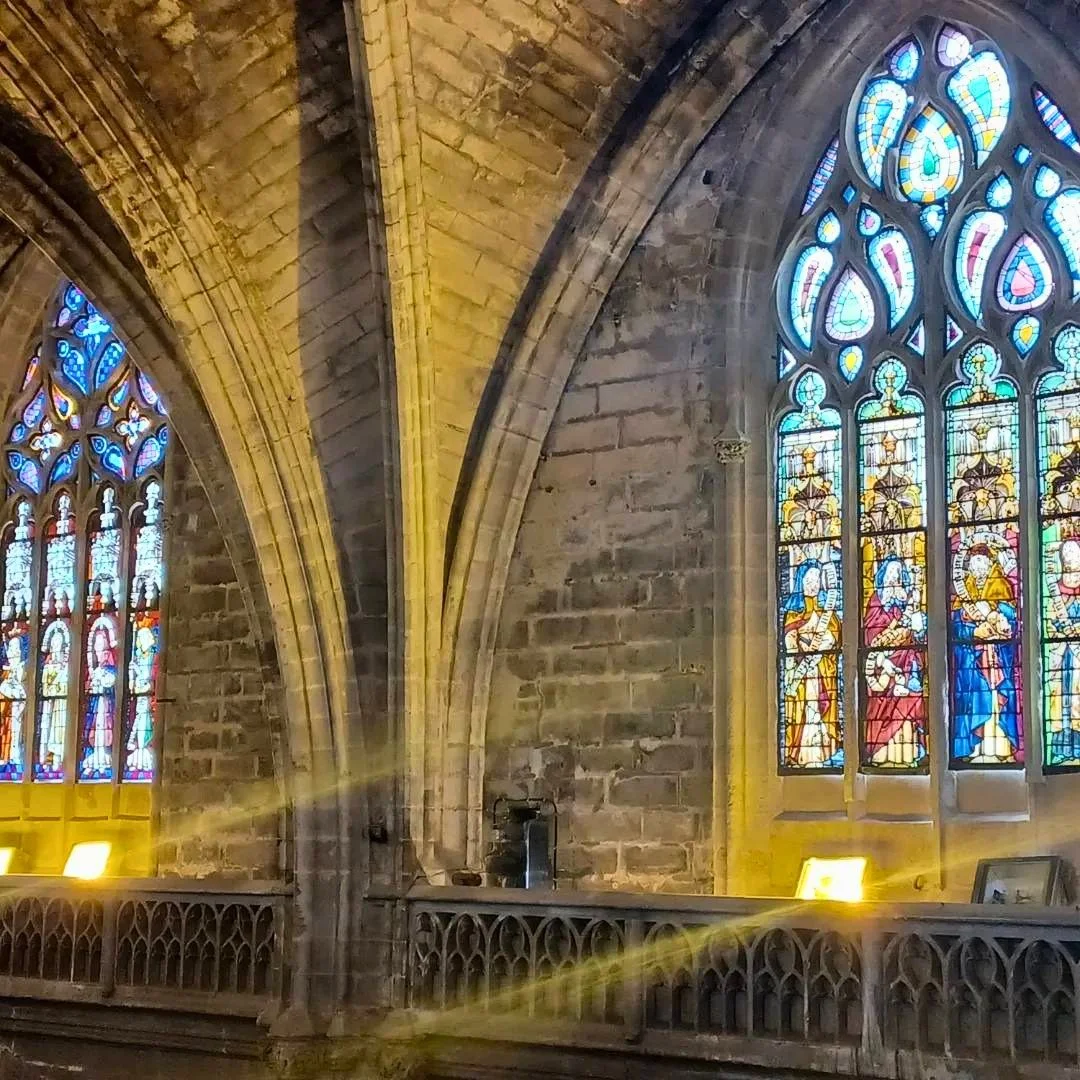
The stained-glass tour offered another memorable experience: more time along the elevated catwalks overlooking the cathedral's interior.
During the rooftop tour, we'd only walked a short stretch of catwalk before moving on with the group. On the stained-glass tour, I had more opportunity to look around—and down.
I'm not particularly afraid of heights, but leaning over to look straight into the sanctuary far below was exhilarating and a little unnerving.
Those views gave me a renewed appreciation for the cathedral's scale. From the streets outside, it seemed impossible to take in the entire structure. From above, I could begin to understand the complexity of what had been built.
And unlike a crowded observation deck, the rooftop experience gave me something I value when exploring: time to notice the details.
The Giralda: Ingenious, Even in a Crowd
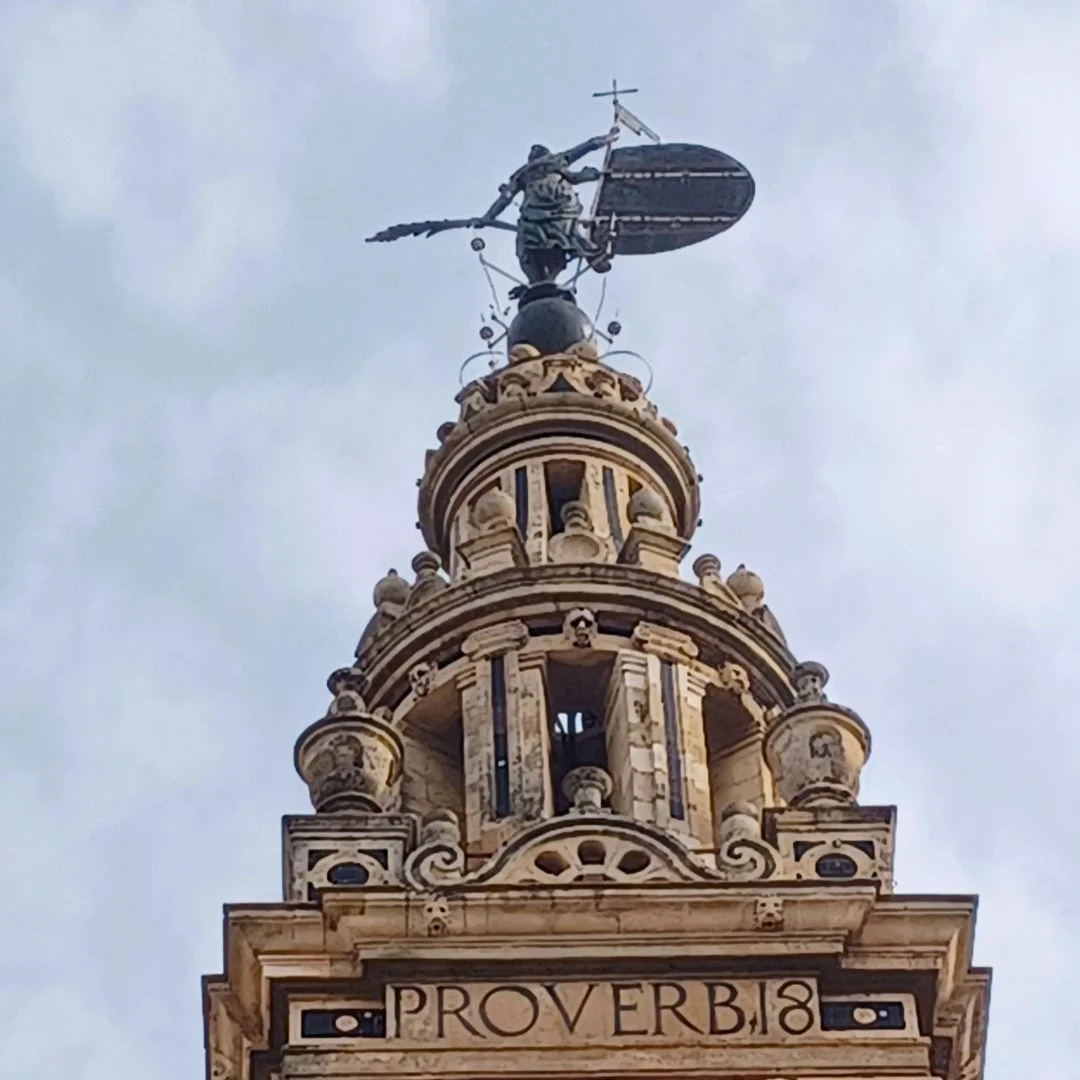
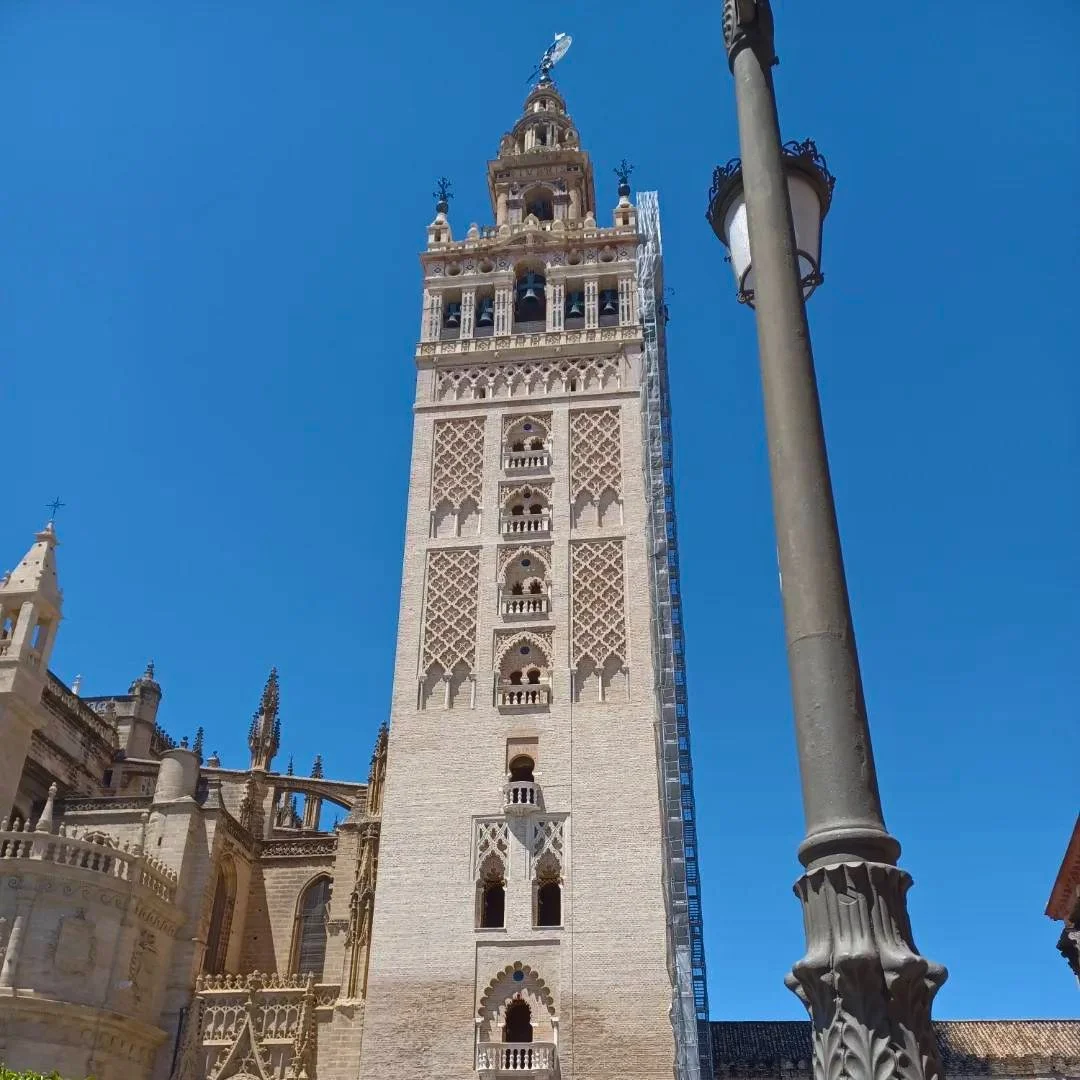
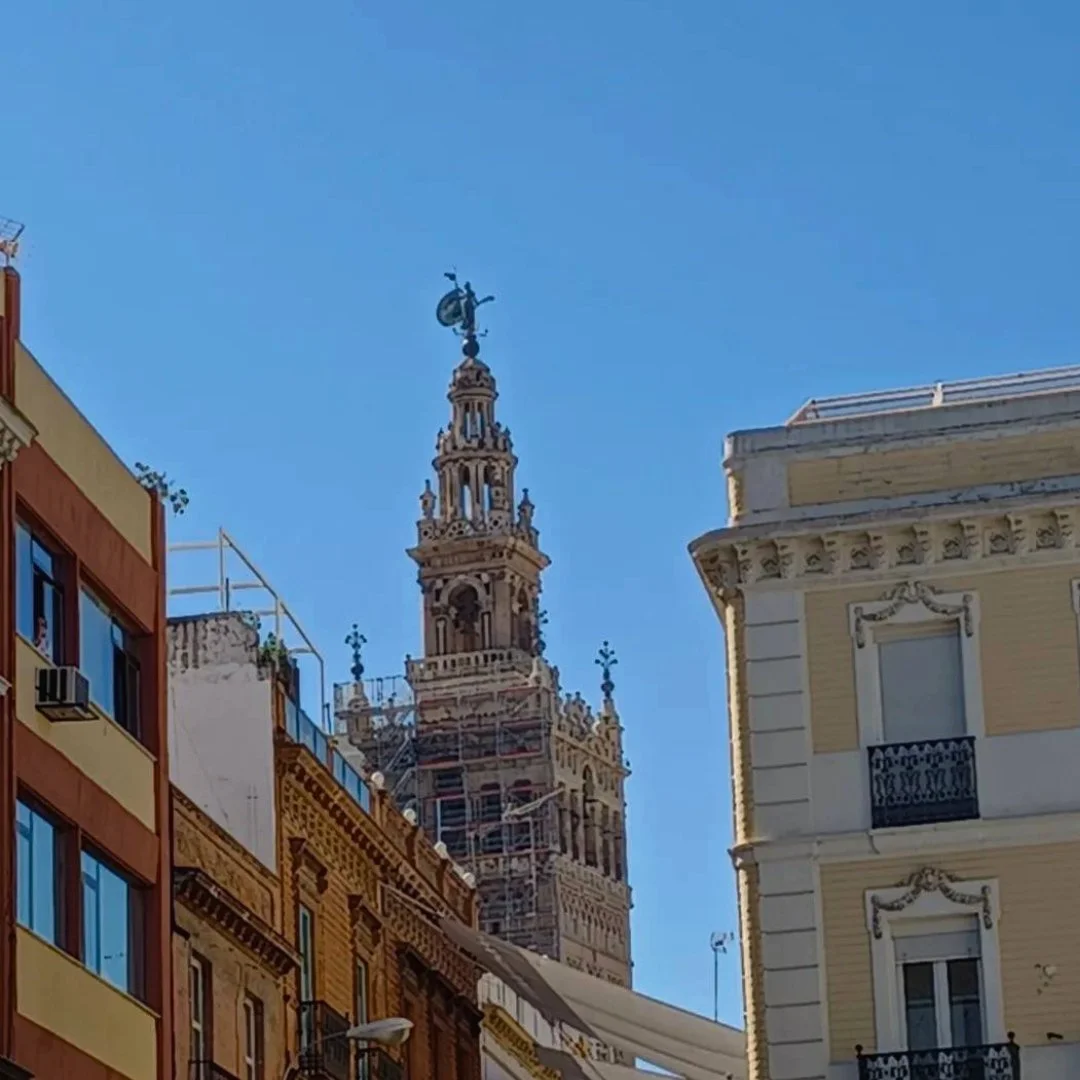
I also climbed the Giralda, the cathedral's famous bell tower. Originally constructed as a minaret during Seville's Islamic period, the tower was later adapted for its role in the cathedral. Much of the ascent is by ramps rather than stairs, traditionally explained by the need to accommodate riders or animals traveling upward.
It's an ingenious solution—and exactly the sort of historical engineering that catches my attention.
The experience at the top, however, was another matter. It was crowded. Very crowded.
I'm glad I climbed it, but for views of Seville, I much preferred the cathedral rooftop tour. There, I could appreciate the architecture and the skyline without feeling that I was competing for a place to stand.
Sometimes the most famous viewpoint isn't the most rewarding one.
Walls That Outlasted Their Purpose
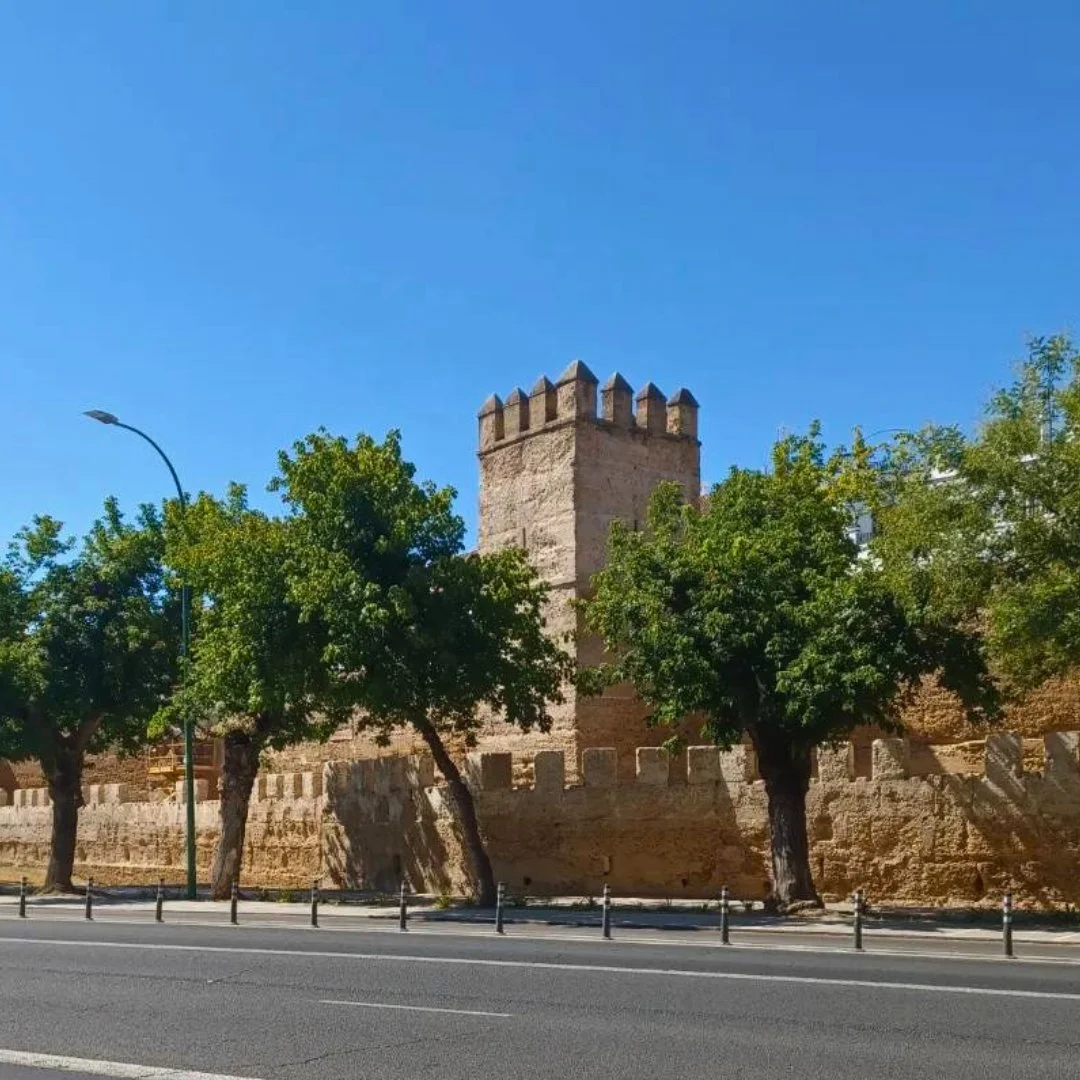
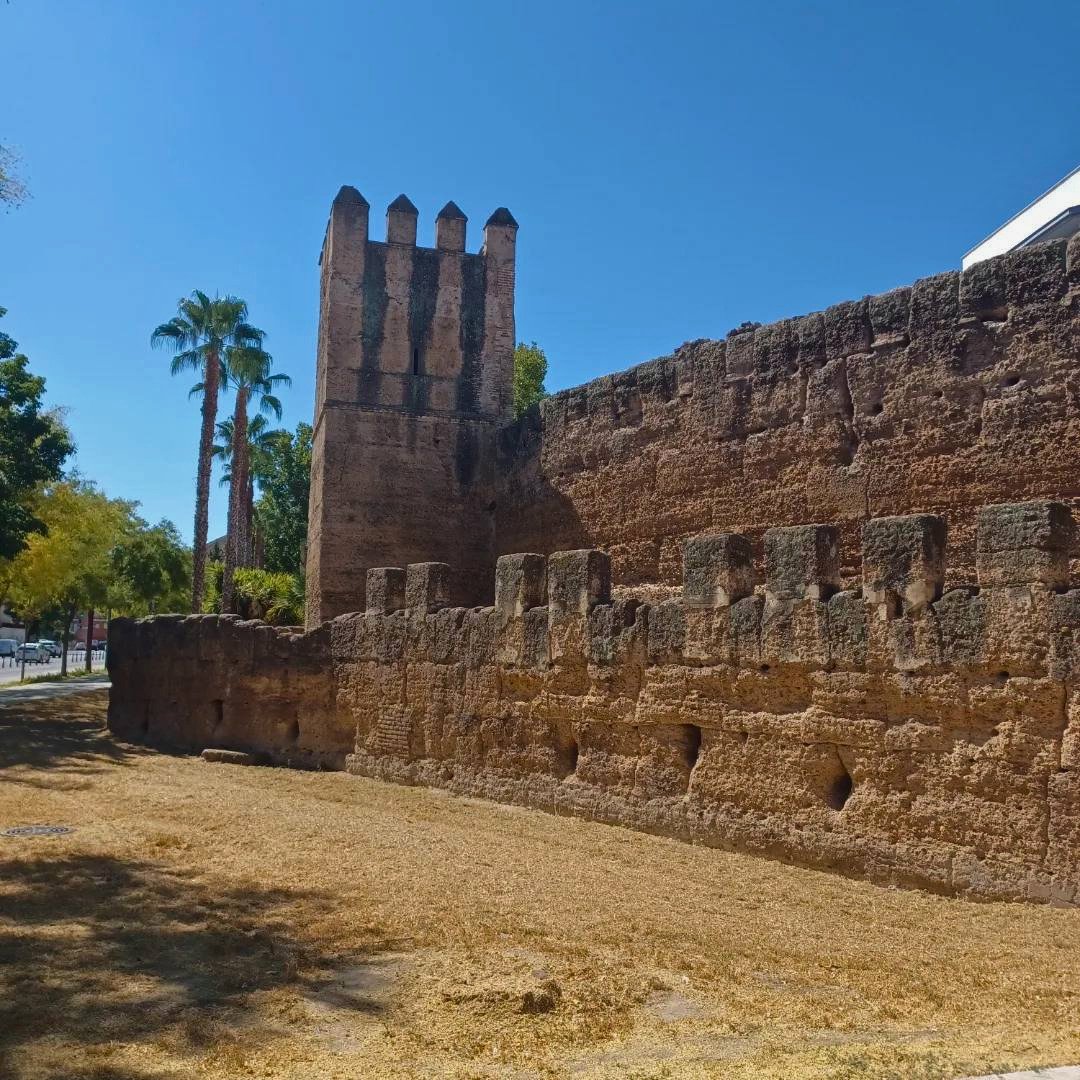
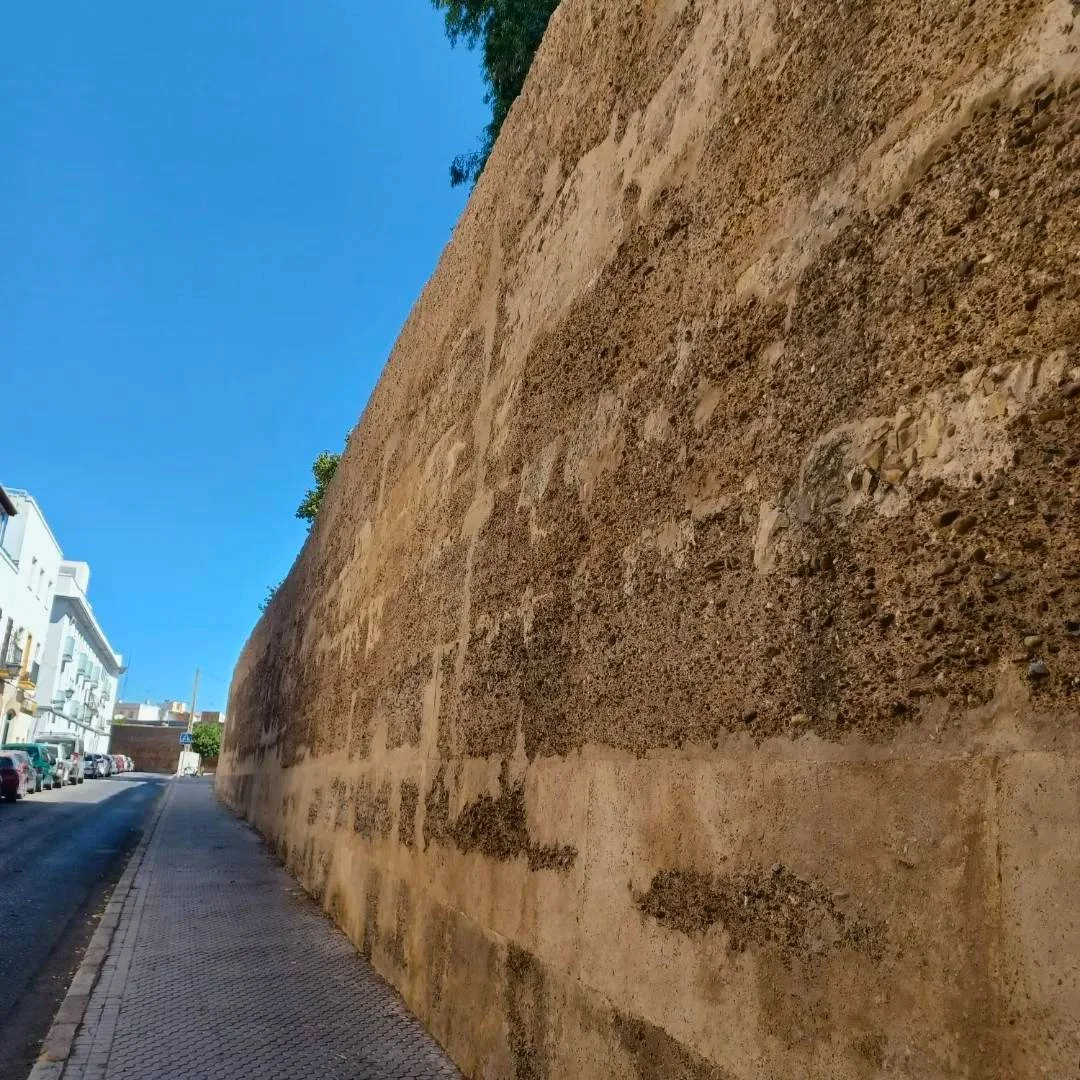
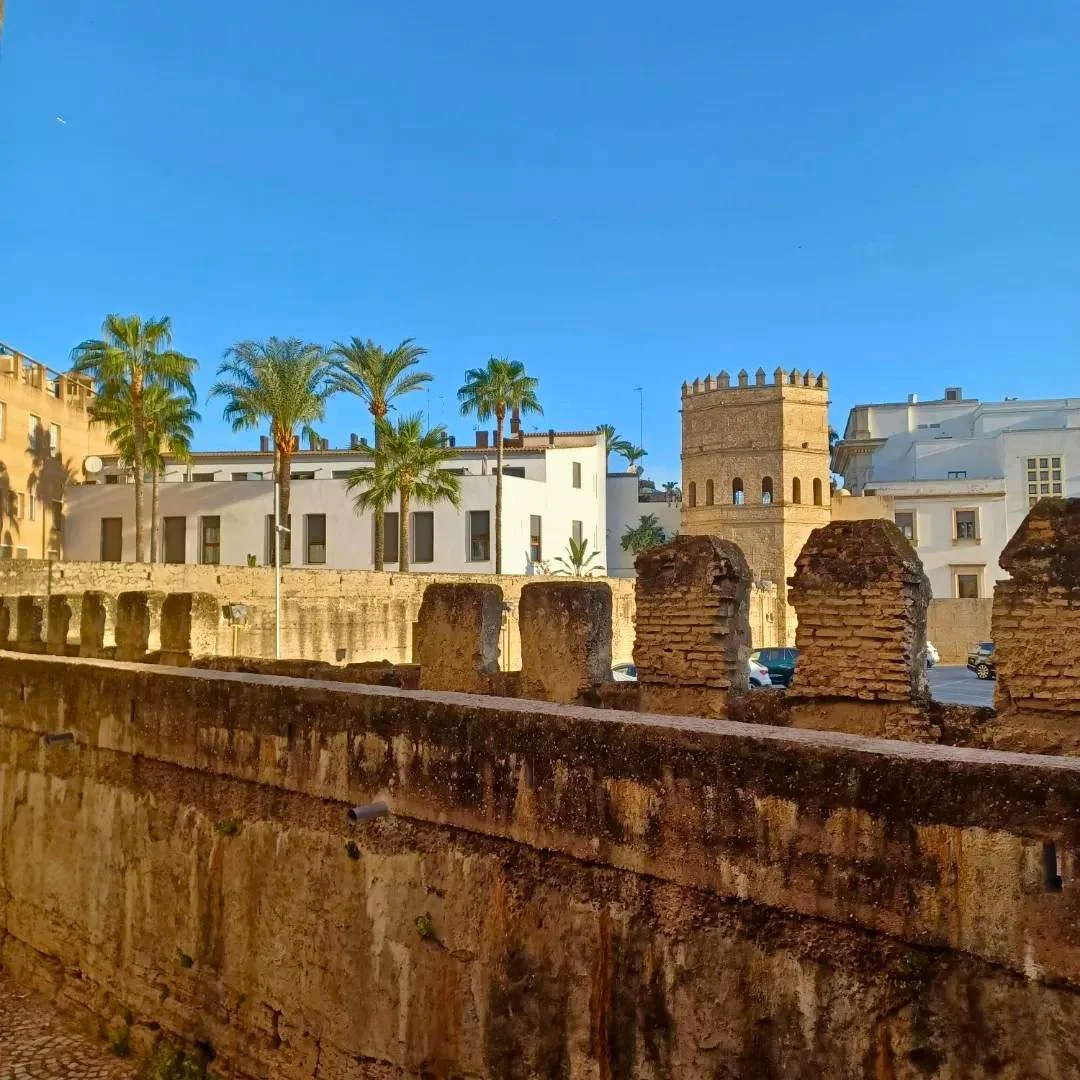
One day, on my way to try a Venezuelan restaurant, I passed a section of Seville's old defensive walls. I made a mental note to return. When I had more time, I did.
The surviving walls and towers were impressive in their size, construction, and condition. I walked along them, looking at the masonry and wondering how structures built for a very different city had endured for so long.
And across the street from one section was a gas station. That juxtaposition stayed with me.
Here were centuries-old defensive walls, once part of a city's protection, and across the road people were simply stopping for fuel and getting on with their day.
No ceremony. No apparent astonishment. Just modern life carrying on beside medieval stonework. I couldn't help marveling at the walls, even as the city around them treated their presence as perfectly normal.
History in the Middle of the Street
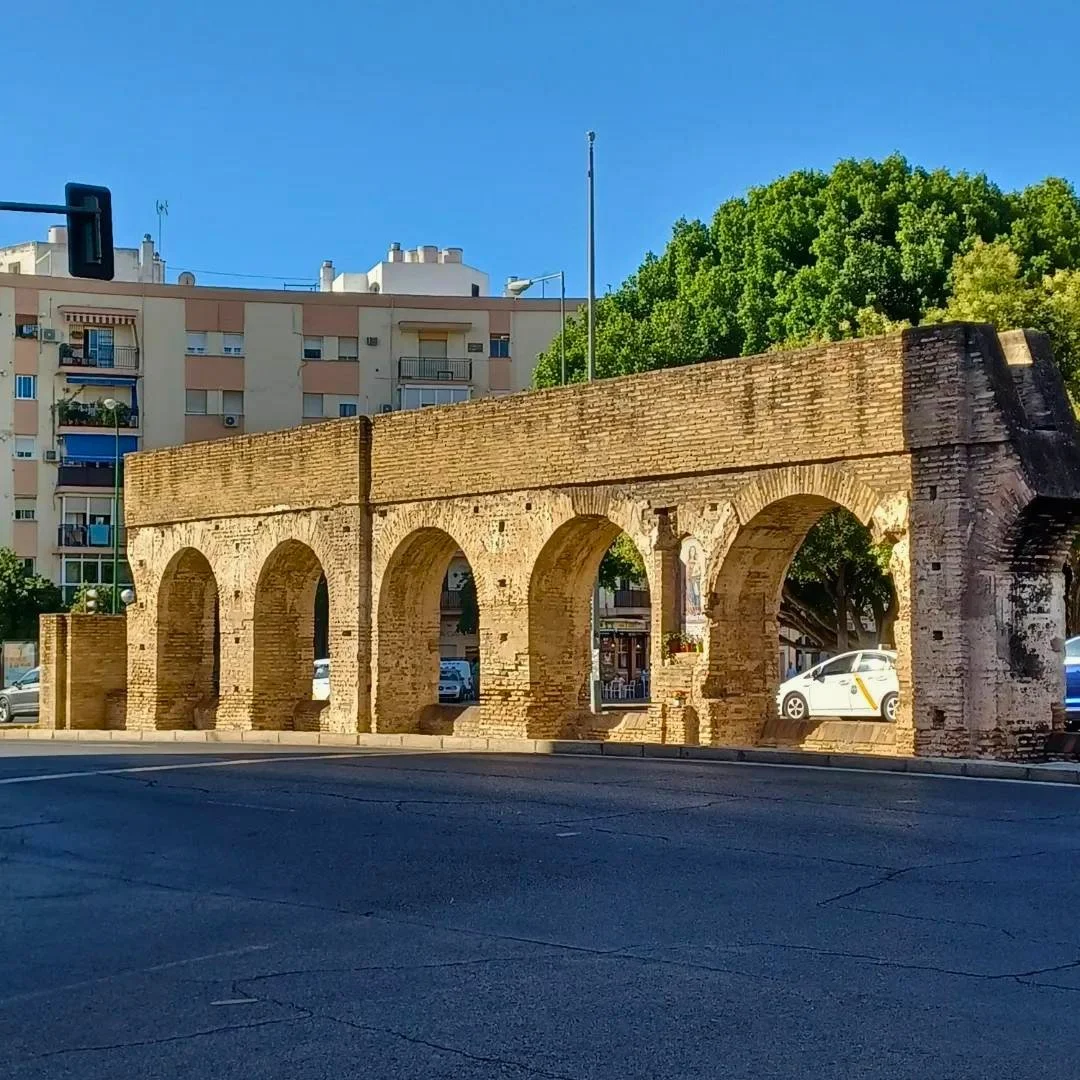
The walls weren't my only unexpected encounter with Seville's past. While walking toward Santa Justa railway station, I came across surviving brick arches along Calle Luis Montoto. They looked unmistakably old, standing amid the traffic and buildings of an otherwise ordinary street.
I later learned that they were remnants of the Caños de Carmona, part of Seville's historic water-supply system.
Once again, my imagination went straight to the people who had designed and built it. Supplying water to a city required planning, engineering, and an understanding of how to make an ambitious system work across considerable distances.
And fragments of that system were still there, incorporated into the landscape of modern Seville.
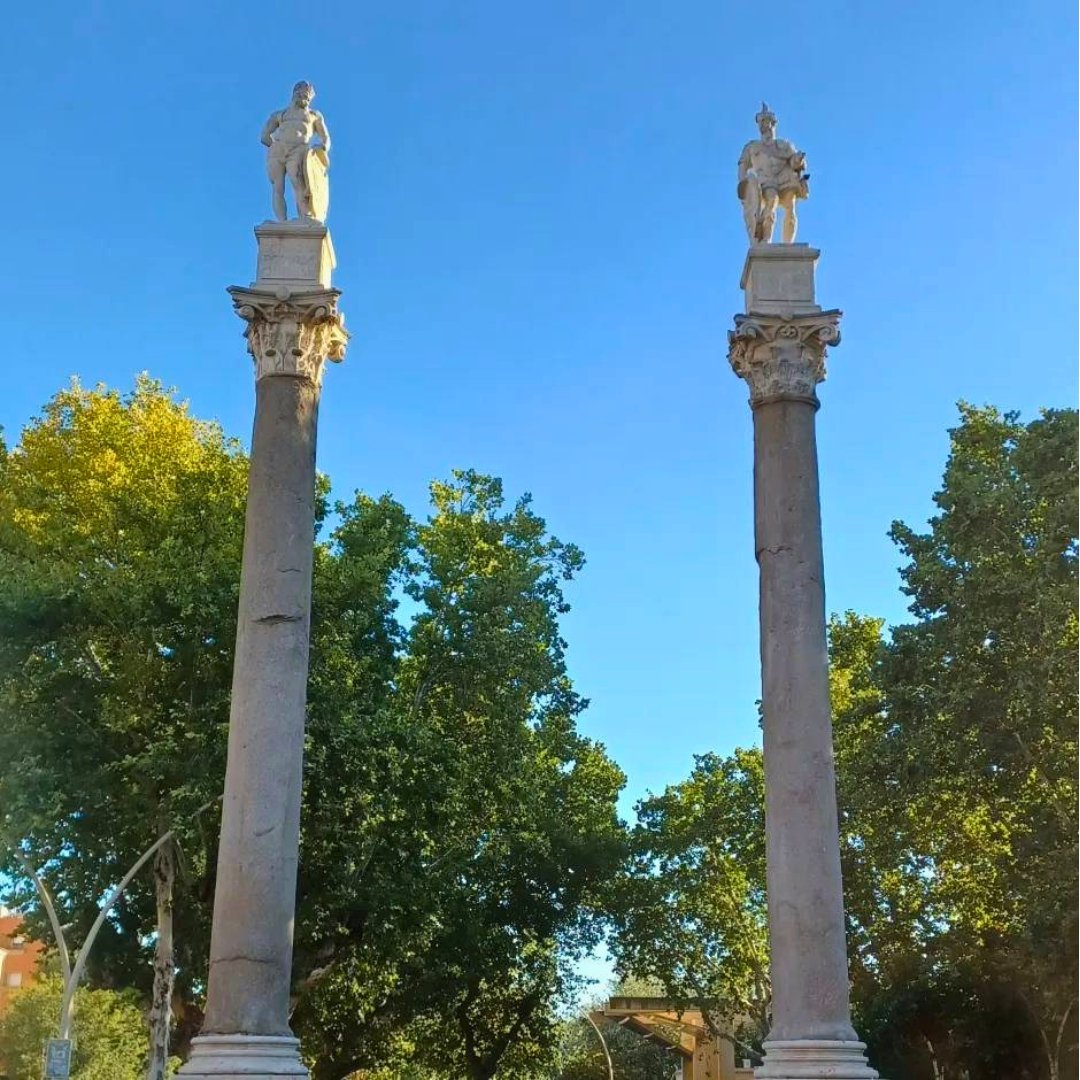
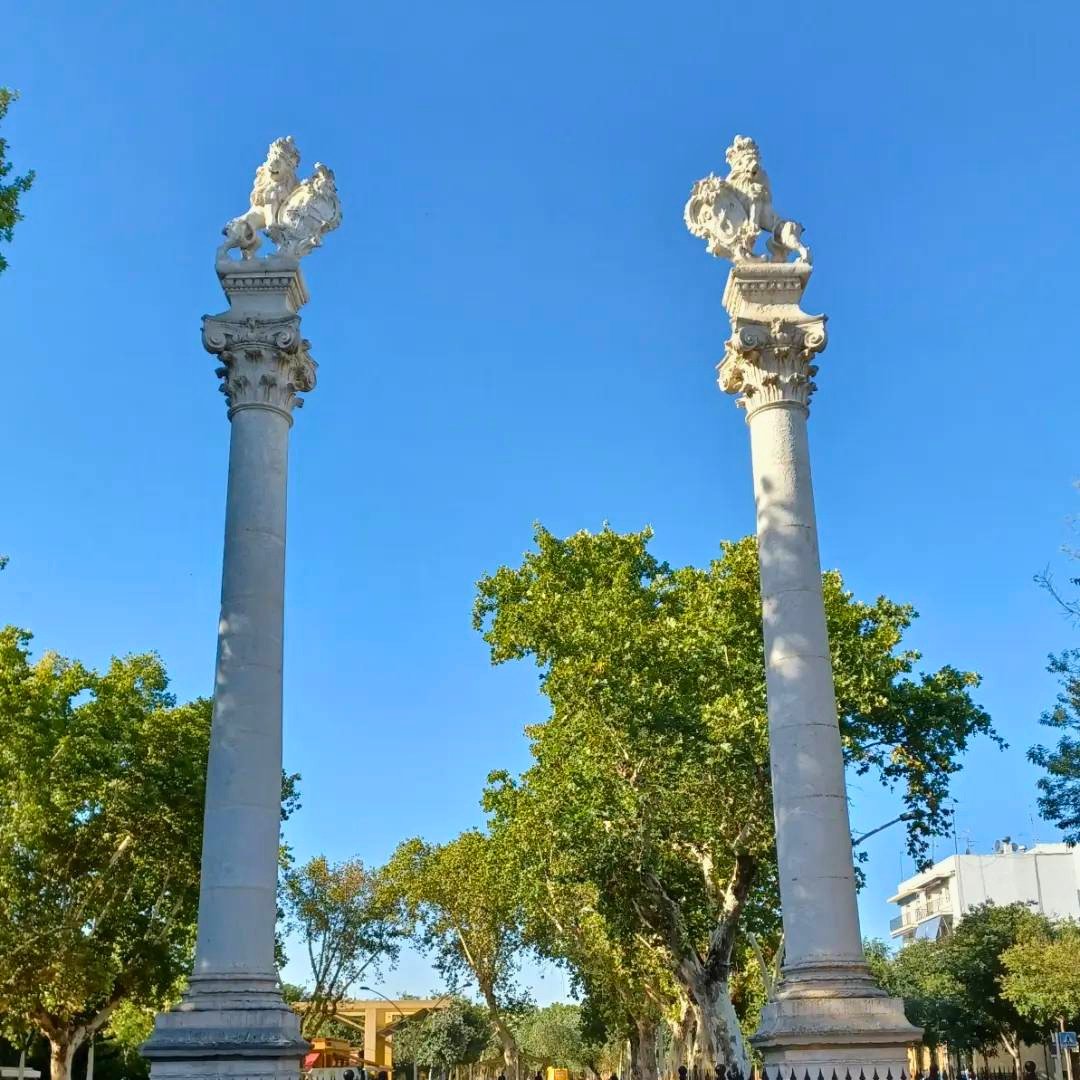
Elsewhere, I deliberately sought out the monumental columns at Alameda de Hércules, where Roman columns were reused in a later civic setting.
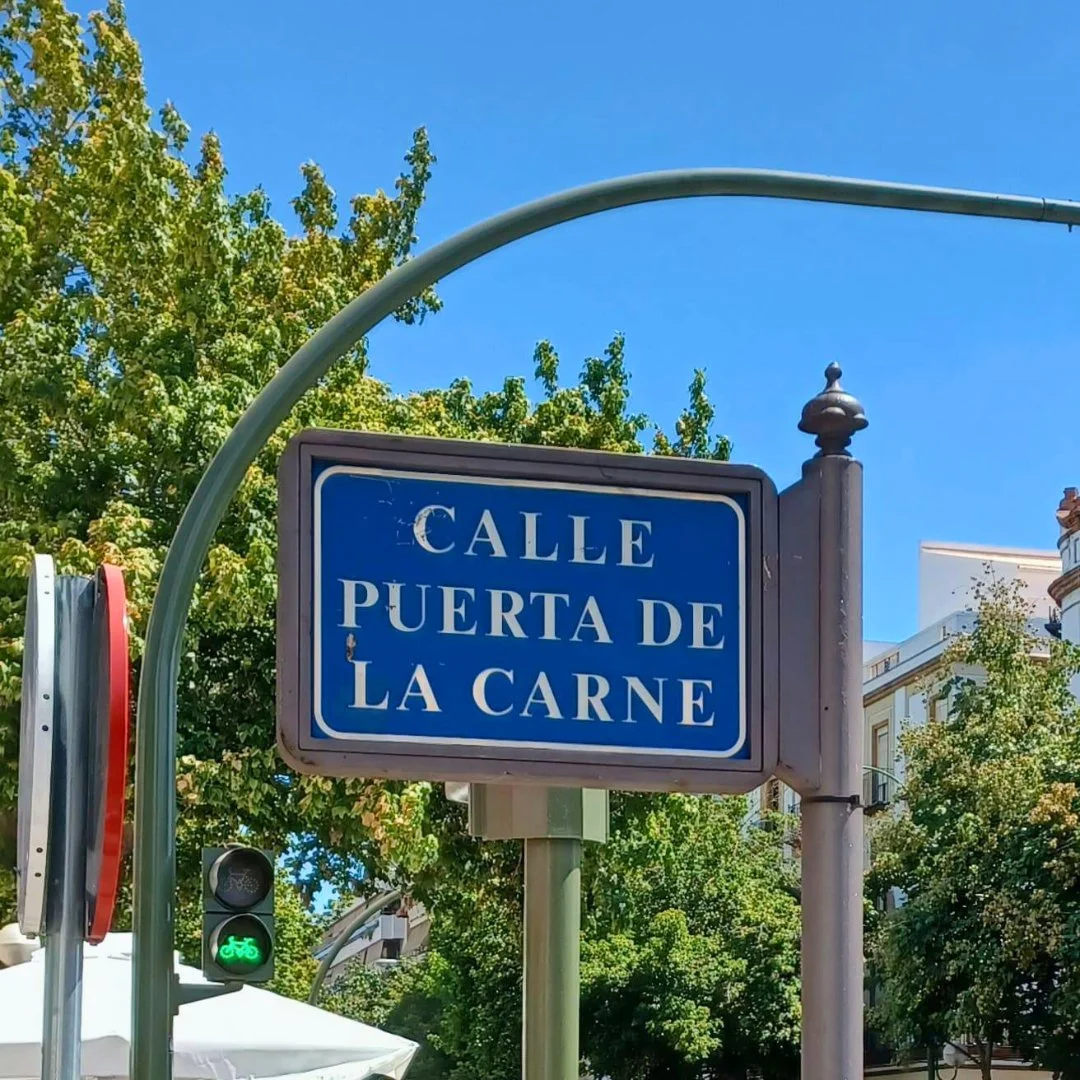
Even the names of streets offered clues. At Calle Puerta de la Carne, I stopped to read a nearby historical sign explaining the former city gate and its association with livestock and the meat trade. The gate itself was no longer there, but its name remained.
Some of Seville's history survives in stone and brick. Some survives in the words people use to find their way around.
The Alcázar: Another Layer of Seville
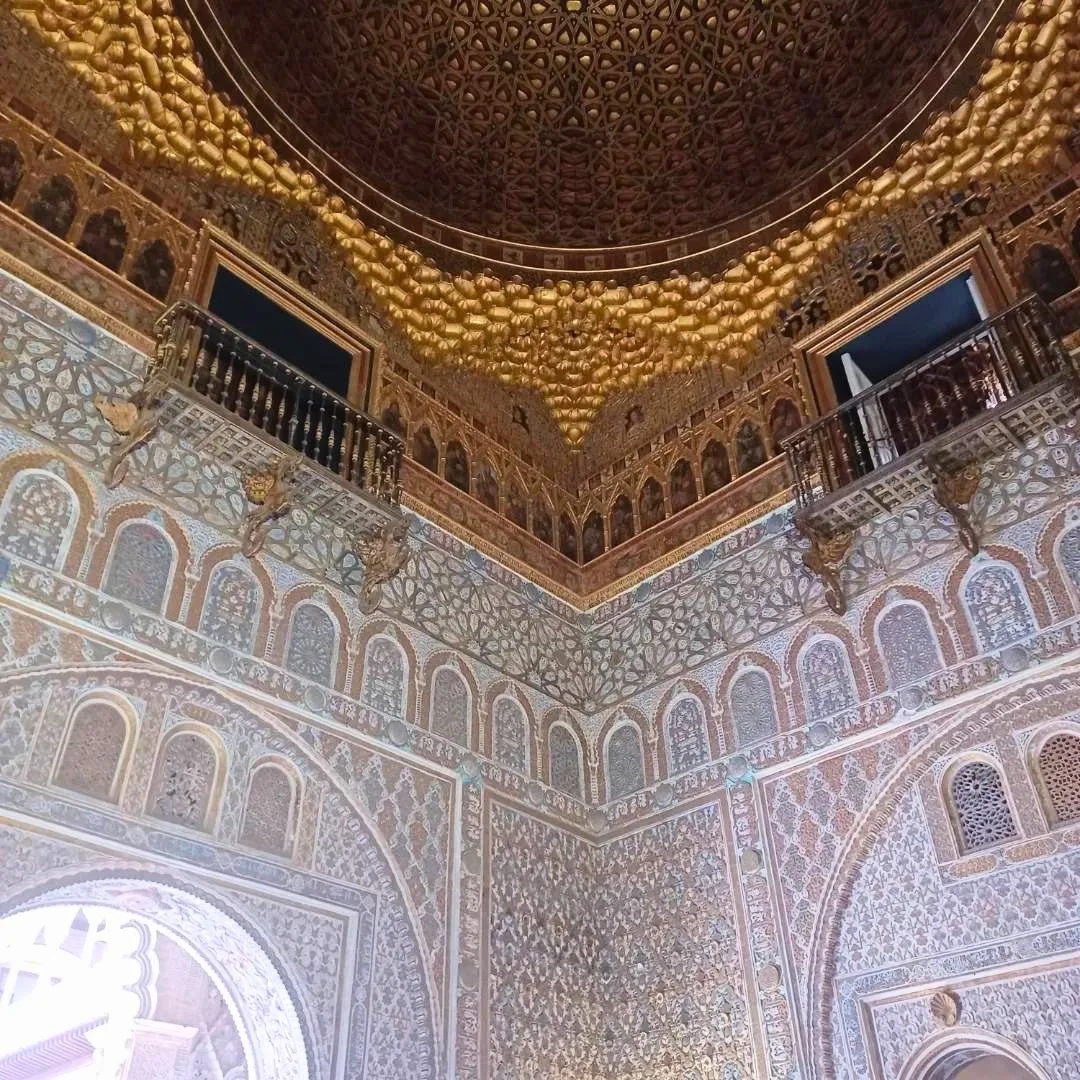
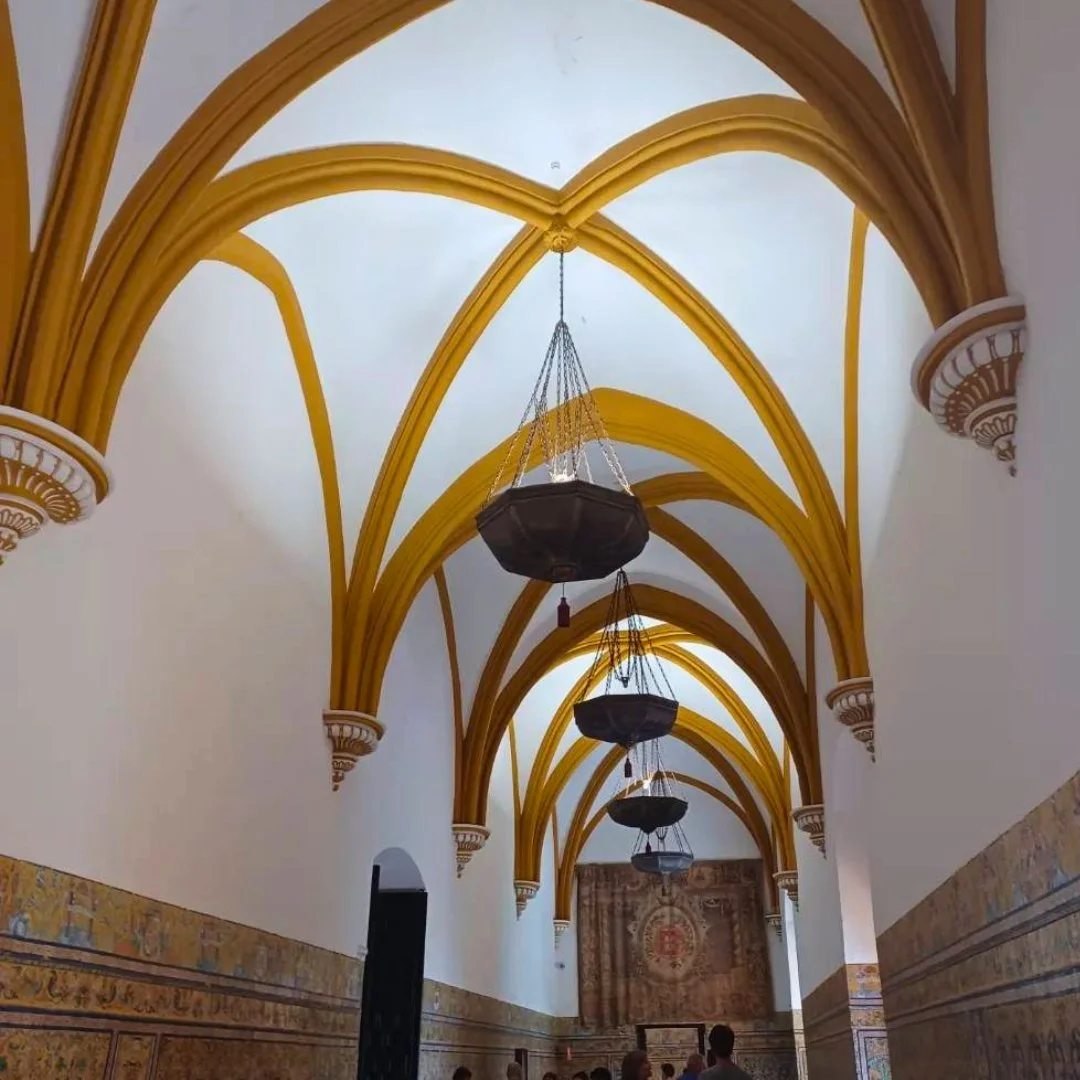
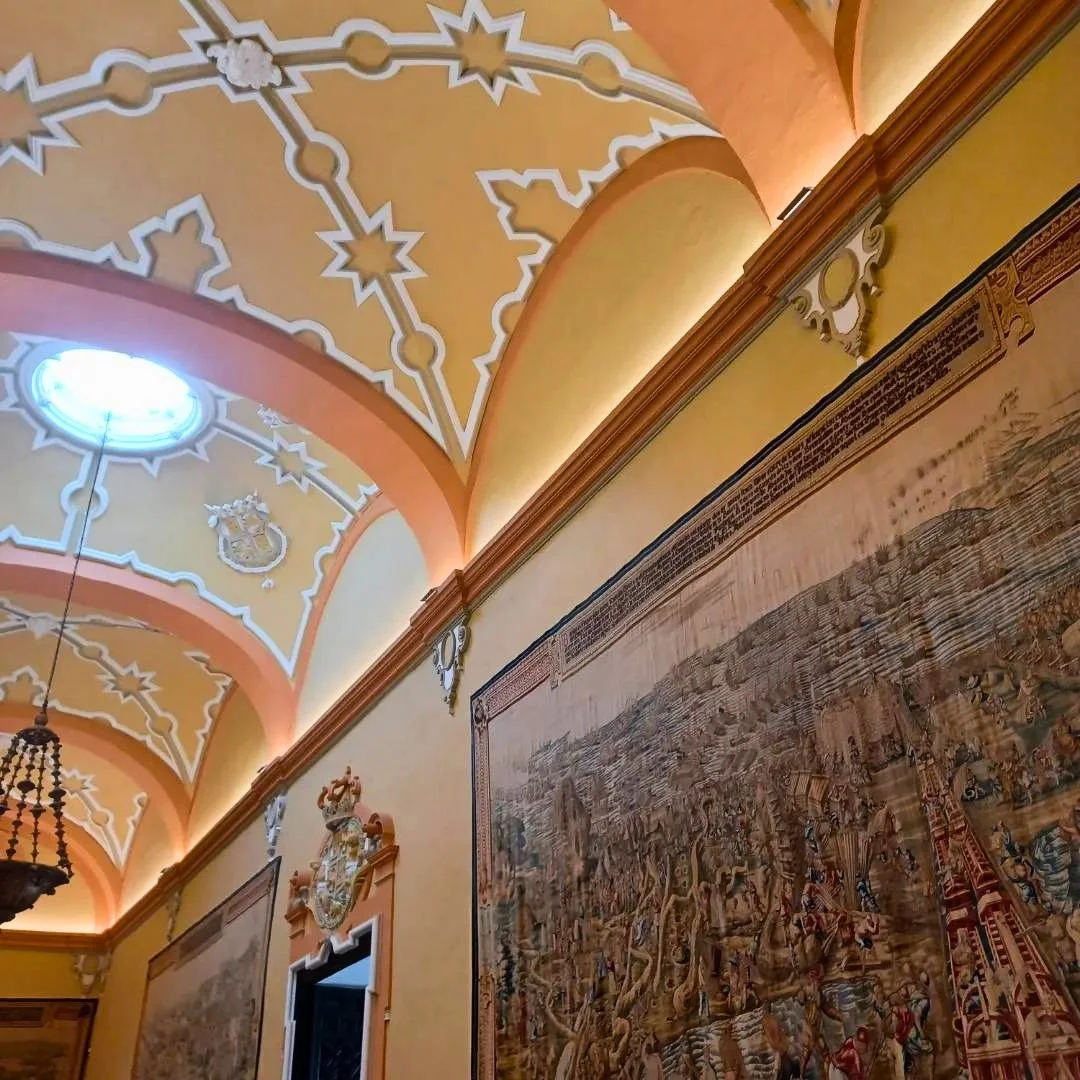
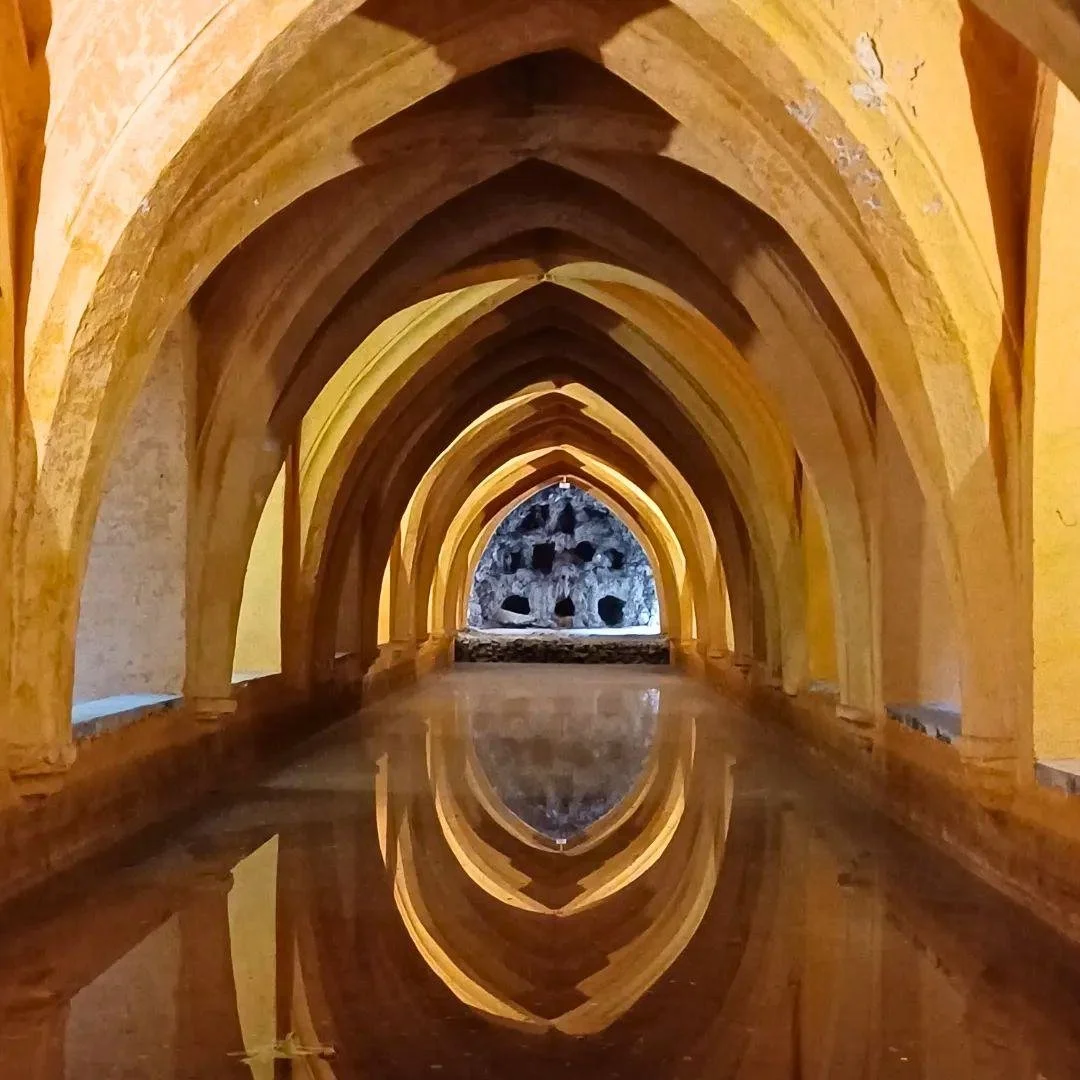
The Real Alcázar offered still another perspective on the city's long architectural history. There was so much to take in: intricate decorative work, courtyards, architectural details, and gardens where peacocks roamed.
Unlike a single monument built at one moment in history, the Alcázar reflects centuries of construction, adaptation, and changing influences. I found myself moving between spaces that invited completely different kinds of attention. Some encouraged me to study the craftsmanship; others simply asked me to look around and enjoy where I was.
That balance—learning something and allowing myself to be surprised—was becoming one of the pleasures of my time in Seville.
Torre del Oro and the Pleasure of a Quieter View
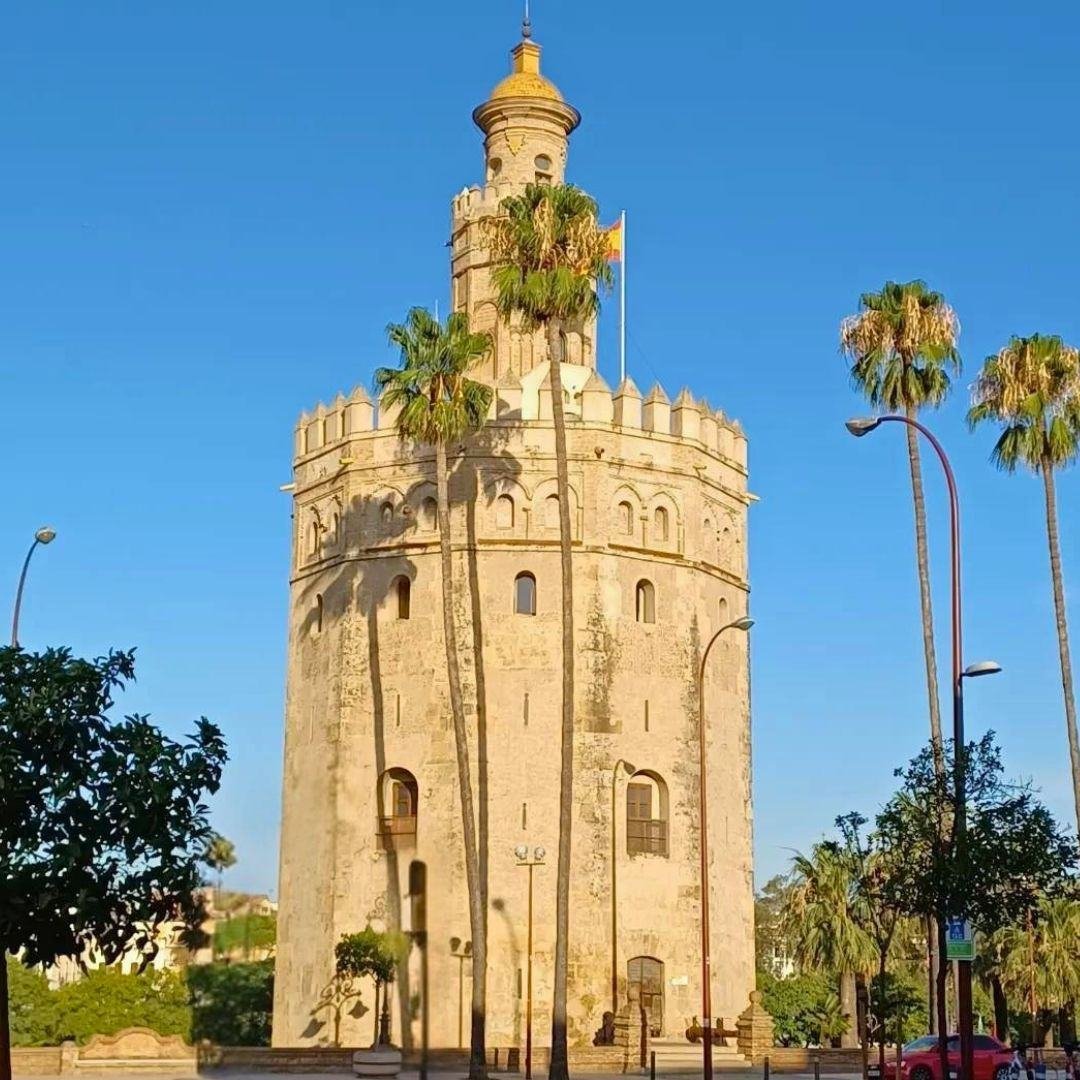
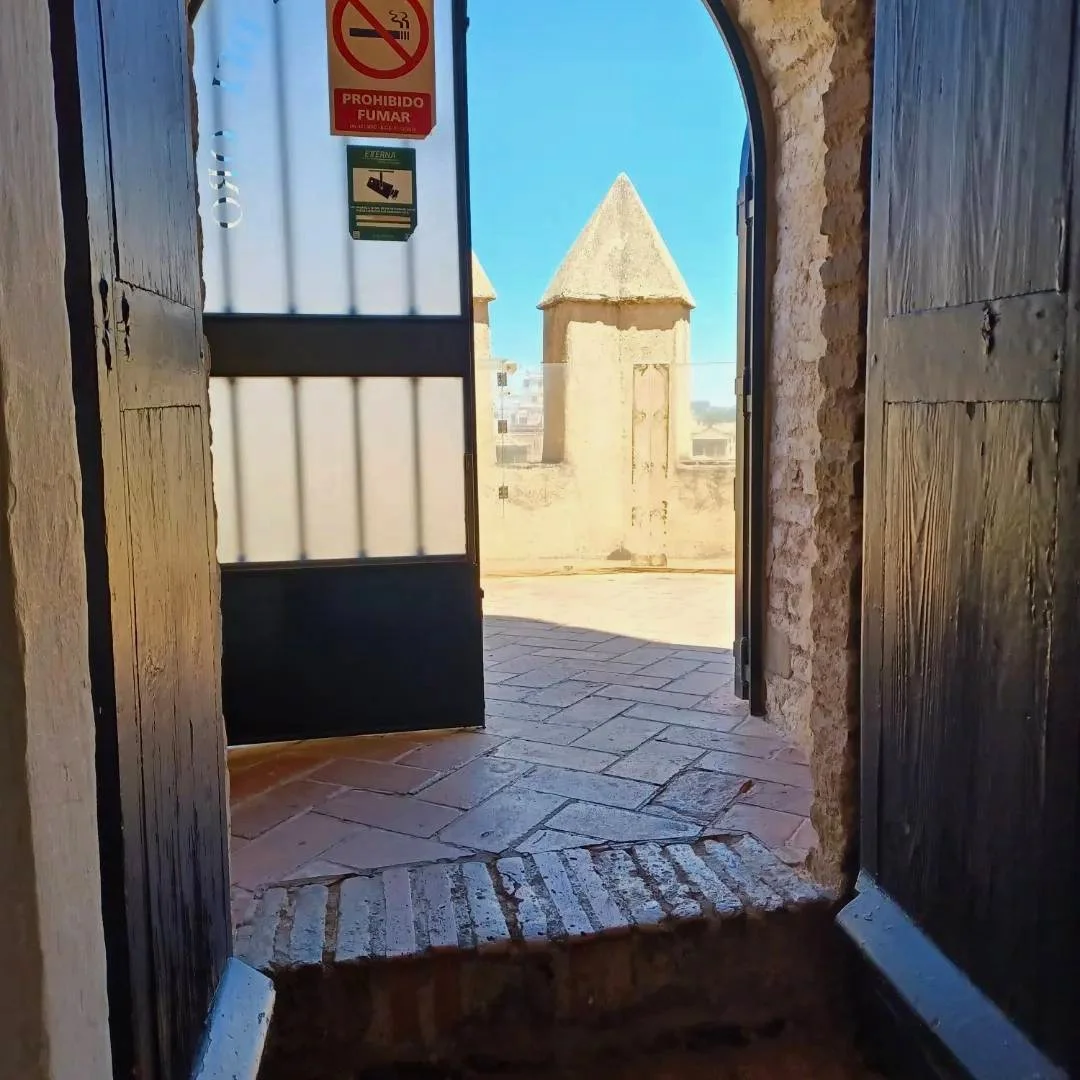
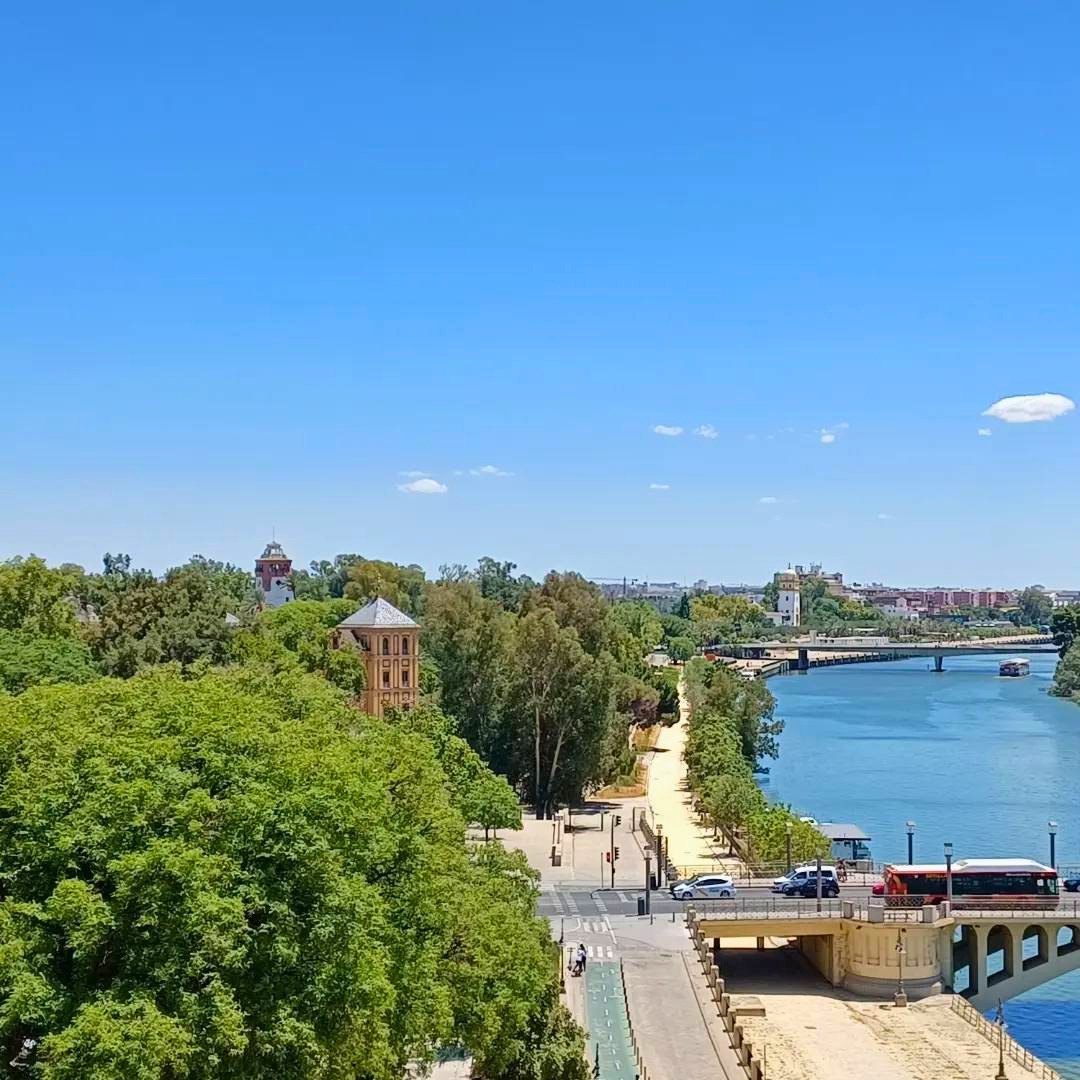
Along the Guadalquivir stands Torre del Oro, another surviving reminder of medieval Seville. I visited the tower and climbed to its rooftop, passing a staircase decorated with colorful patterned tilework. The experience couldn't have been more different from the crowded top of the Giralda.
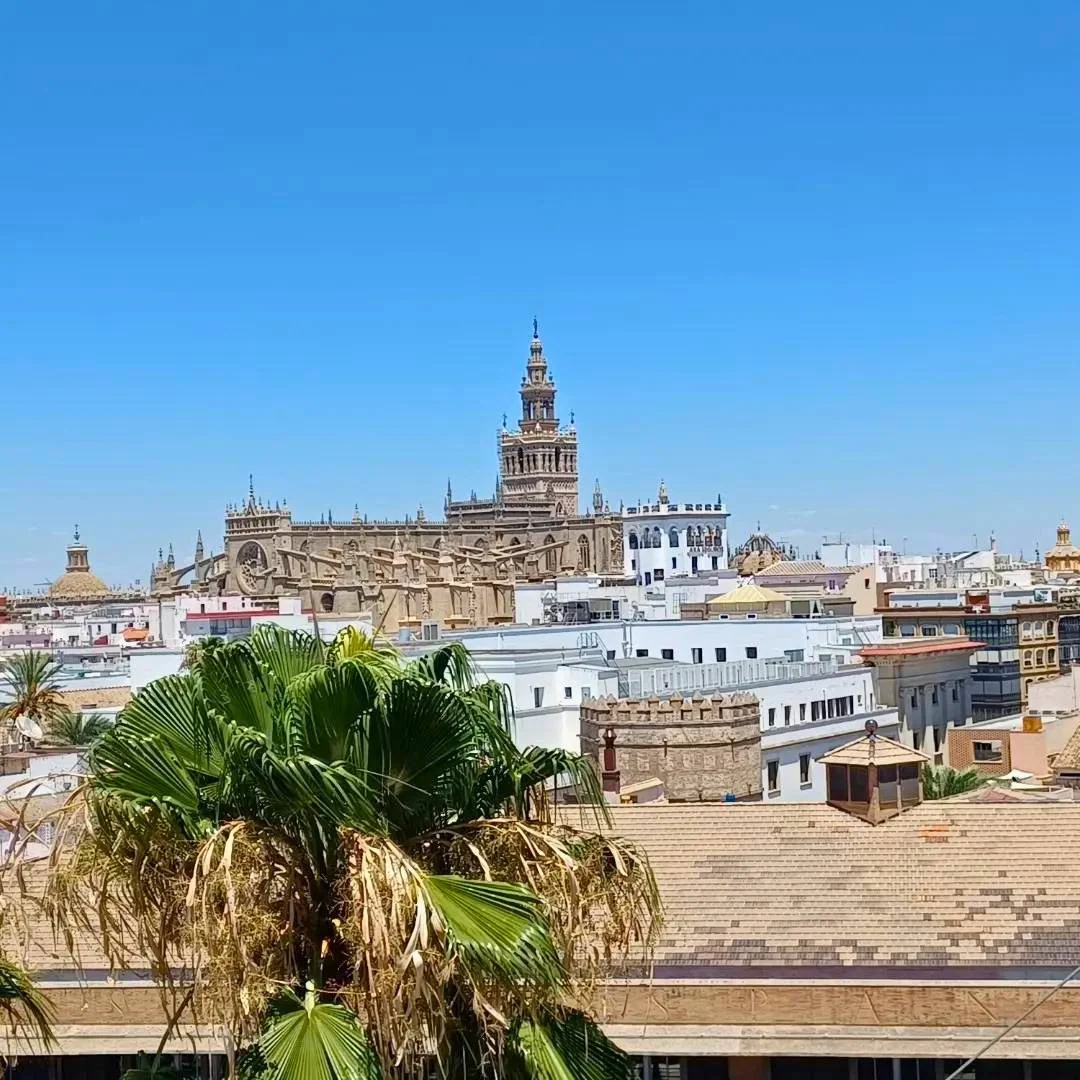
There were perhaps three other people on the rooftop. I could take my time, look across the city, and enjoy the view toward the cathedral and Giralda without being hurried along by a crowd.
The tower's imposing exterior, the decorative details inside, and the skyline beyond made the visit memorable for different reasons.
And it reinforced something I'd noticed throughout my travels: a quieter place can sometimes offer a richer experience than the attraction everyone is lining up to see.
Comfortable, but Not Ordinary
Six weeks gave me time to become familiar with Seville. I had my routes, my routines, my favorite walks, and places I wanted to return to. The cathedral was part of my morning. Historic towers and walls became landmarks in a city where I was learning to find my way.
But they never became ordinary.
I grew comfortable with their presence without losing my sense of wonder. Perhaps that's what stays with me most about Seville: the way centuries of history coexist with the practical business of daily life.
A medieval wall across from a gas station. Ancient columns in a public square. The remnants of a water system beside a busy street. A cathedral so enormous that six weeks of passing it still weren't enough to see everything.
And behind every structure, the same questions.
Who imagined this? How did they build it? How has it survived?
I didn't answer all those questions. I doubt I ever will. But I had six wonderful weeks to keep asking them. And sometimes, that's the best part of exploring.
Be where you are when you're there.
For more inspiration and planning considerations, explore our free Archaeological & Ancient Worlds Sojourn Guide. Begin with the experiences that interest you, then shape a journey around your own pace and priorities.
EXPLORE THE ARCHAEOLOGICAL & ANCIENT WORLDS SOJOURN GUIDE →
For a practical place to begin, download the free 5D Travel Blueprint guide and workbook, or explore our curated Travel Resources to find tools that fit your journey.
Continue Your Sojourn
Explore what sparks your curiosity next.