Intentional Travel | Mindful Planning | Practical Tool | Sojourner Lifestyle | International AirportsA 6-minute read
Why Places Sound Different Around the World
When Familiar Destinations Have Unfamiliar Names
There is a particular kind of uncertainty that can find you in an airport, even when you know exactly where you're going.
You have your ticket. You know your destination. You've checked the time. And yet, standing before a departure board filled with unfamiliar names, you begin to wonder whether you've overlooked something.
I know the feeling.
A Moment in Madrid
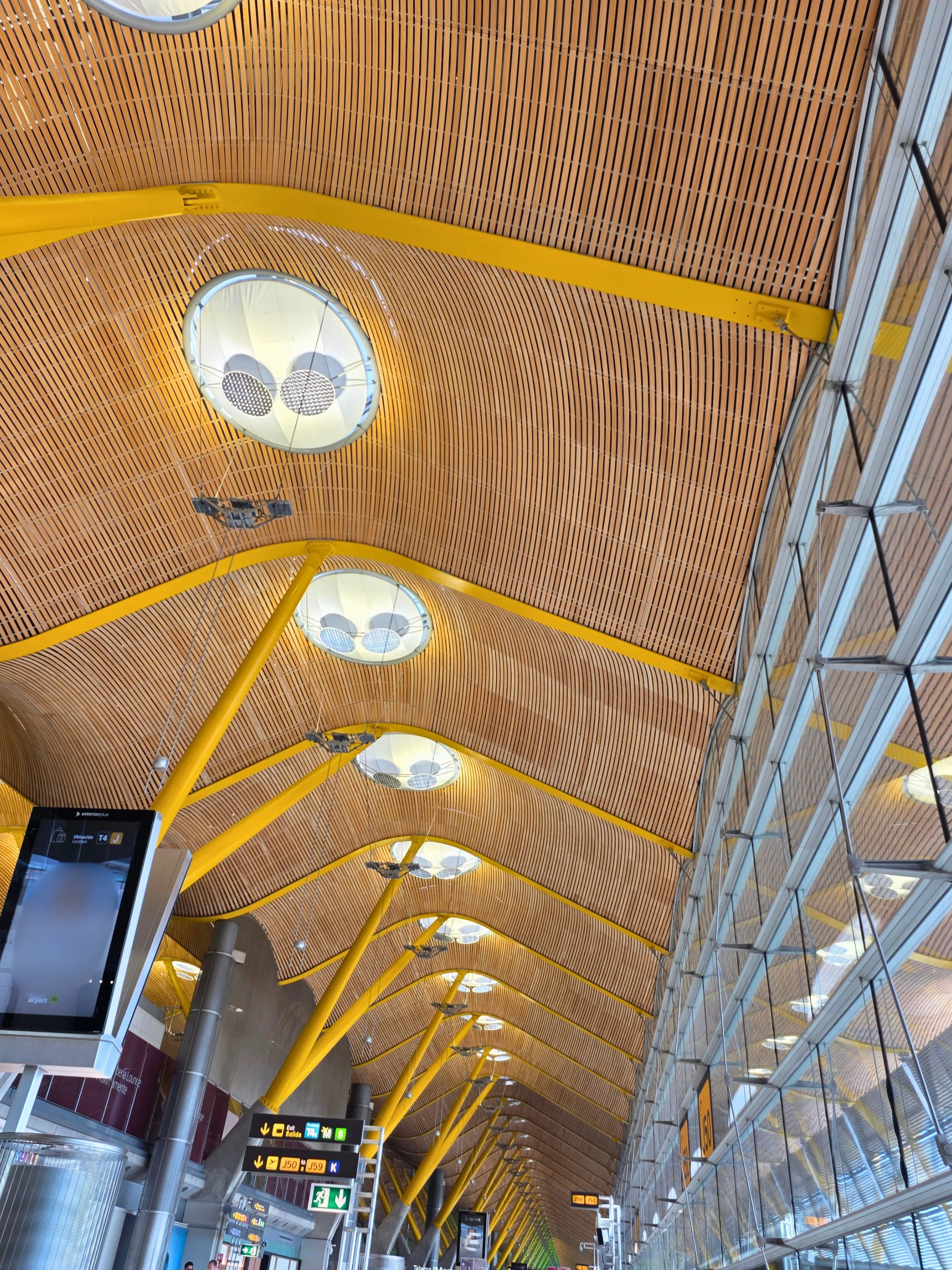
Architectural detail inside Madrid-Barajas Airport, showing circular skylights set into a curved wooden ceiling with yellow support beams.
I was in Madrid airport, searching the departure board for my flight to Geneva. I scanned the destinations once, then again, and again. Geneva was nowhere to be found.
For a brief moment, I panicked and I wondered whether I'd misunderstood something about my flight.
Then I remembered: I was in Spain. I needed to stop looking for the English name.
There it was. Ginebra.
For an instant, the name sounded more like an invitation to enjoy a gin and tonic than a destination in Switzerland.
It was a small moment, but a memorable reminder that the names we carry with us aren't always the names we'll encounter along the way.
Madrid is Madrid in both English and Spanish. Geneva, however, becomes Ginebra in Spanish and Genève in French. One city, several names, each belonging to a different linguistic perspective.
I've explored this idea more deeply in What's in a Name?, a reflection on how geography, language, and culture shape the places we think we know.
Here, I'd like to take that curiosity one step further: into the practical business of finding our way.
When the Name Looks Different
International travel introduces us to unfamiliar words, different alphabets, and sometimes entirely different names for familiar destinations.
Munich becomes München in German. Vienna becomes Wien. Florence becomes Firenze.
In other places, the name may sound familiar but appear in another writing system. Tokyo is written 東京 in Japanese, while Cairo is القاهرة in Arabic.
None of this means a traveler needs to become fluent in another language before leaving home.
It simply helps to know that the English name of a destination may not be the only name worth recognizing.
And when the words are unfamiliar, a few other details can provide reassurance.
Three Details Worth Checking
The destination name. Become familiar with the local name of the city you're visiting, especially when it differs from the English version.
The airport code. Three-letter airport codes provide a useful point of reference across airline and airport systems. Geneva's code, for example, is GVA, regardless of whether you're thinking of Geneva, Genève, or Ginebra.
The flight number. When checking departure information, confirm the flight number, airline, and departure time rather than relying on the destination name alone.
These are small habits, but they can make navigating an unfamiliar airport feel considerably less uncertain.
Around the World: 18 Airport Names Worth Knowing
The following collection is not a ranking of the world's busiest airports or a comprehensive list of international gateways.
It's a selection of destinations where knowing the local name, recognizing another writing system, or understanding the airport code may be useful.
The local names are included as points of familiarity; they are not a promise that every departure board will display those exact words.
Europe
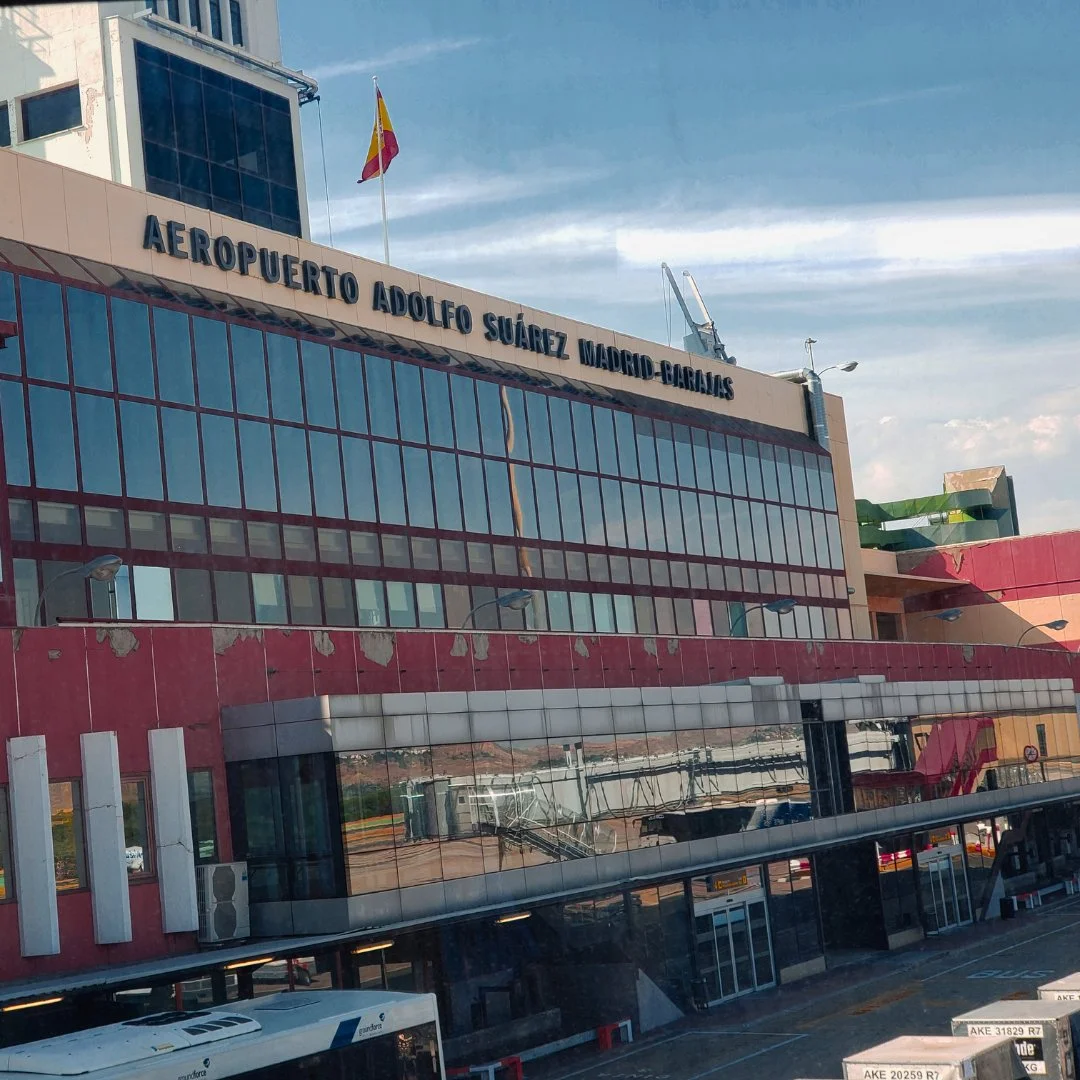
Madrid-Barajas Airport, where even the airport's name offers a reminder that language is part of the journey.
Madrid, Spain
Local name: Madrid • Airport code: MAD
Florence, Italy
Local name: Firenze • Airport code: FLR
Munich, Germany
Local name: München • Airport code: MUC
Vienna, Austria
Local name: Wien • Airport code: VIE
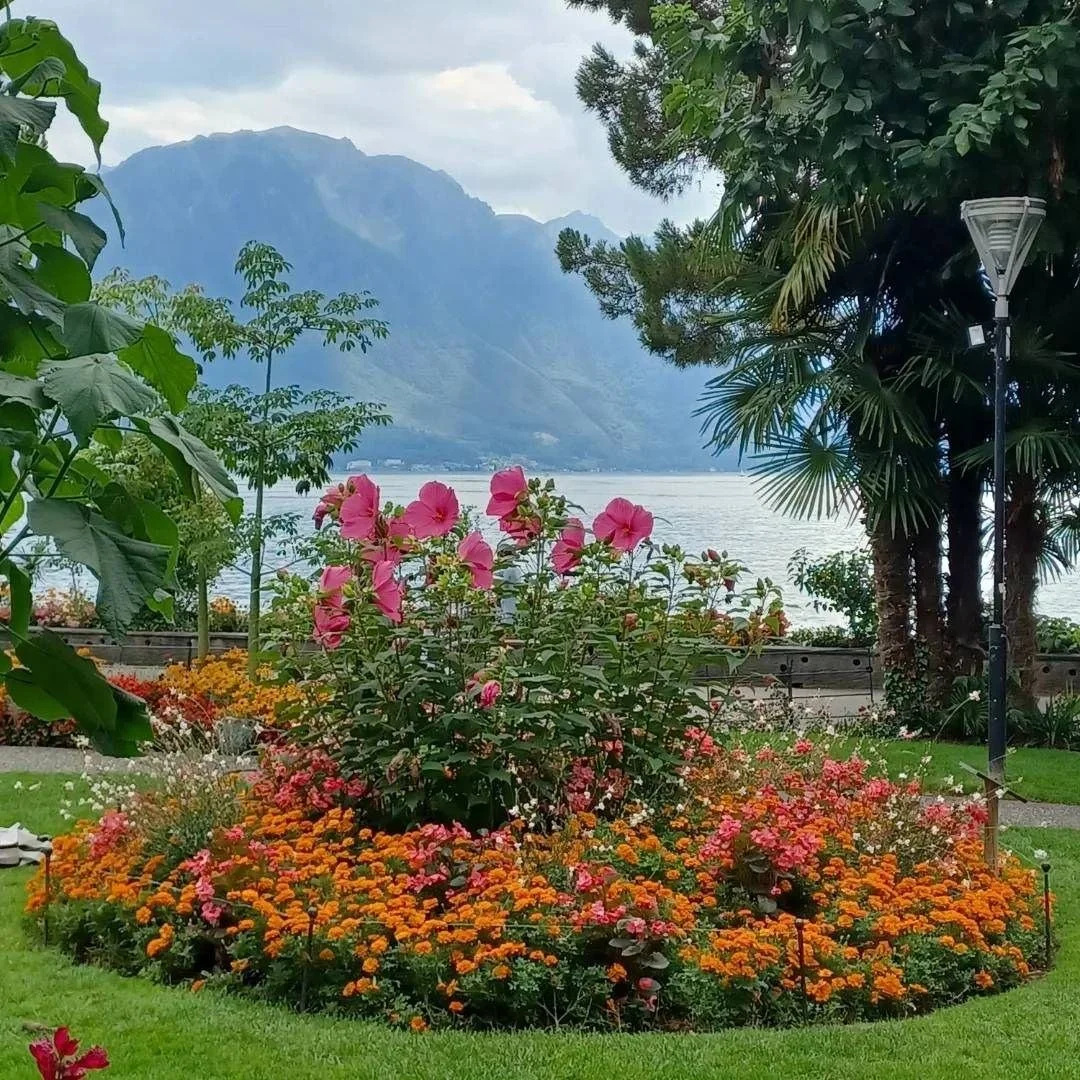
Lake Geneva, Switzerland — a landscape of lakeside beauty and alpine horizons. Explore more in ETC's Lakeside & Alpine Sojourn.
Geneva, Switzerland
Local name: Genève (French) • Airport code: GVA
Rome, Italy
Local name: Roma • Airport code: FCO
Prague, Czechia
Local name: Praha • Airport code: PRG
Lisbon, Portugal
Local name: Lisboa • Airport code: LIS
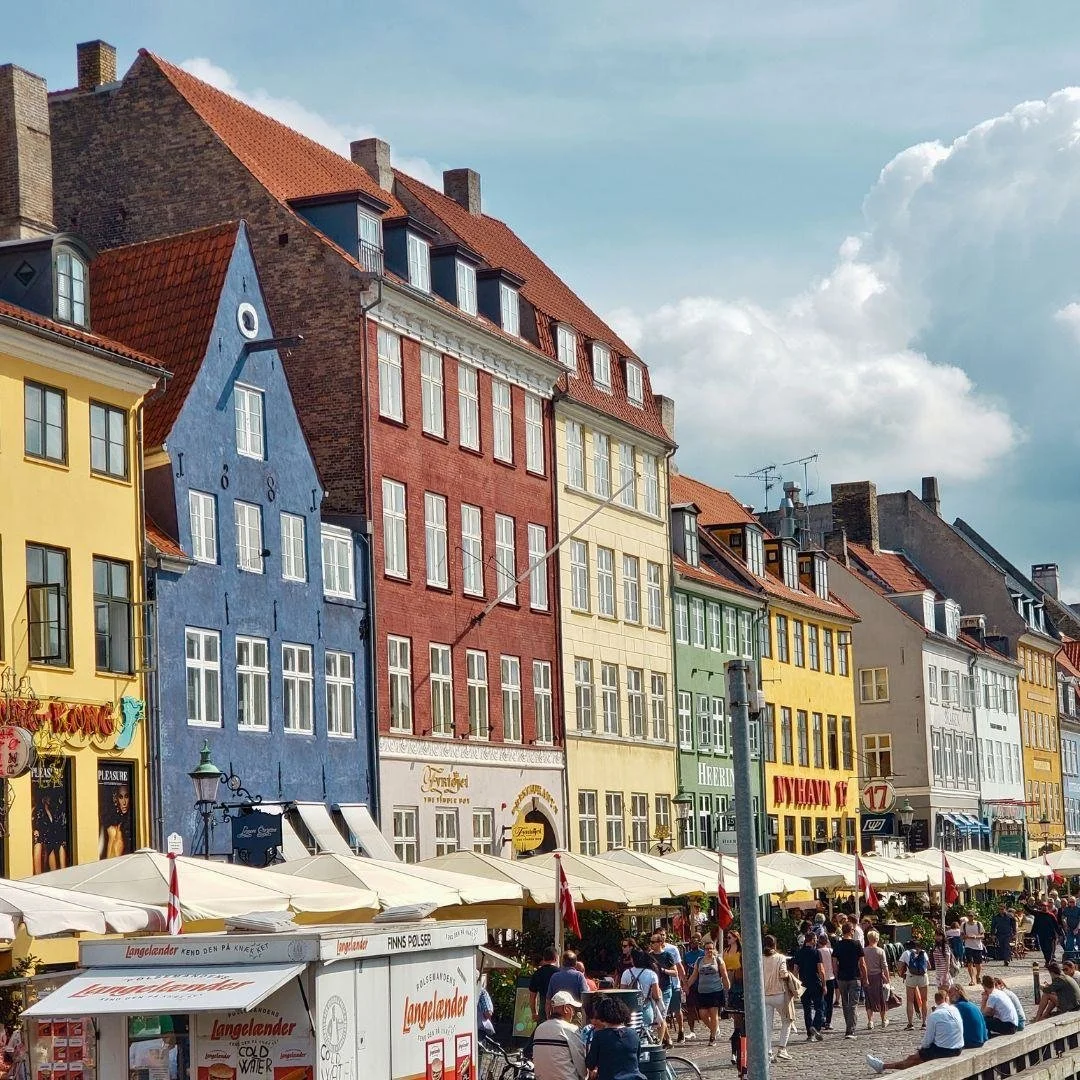
Colorful Copenhagen, where the city's Danish name, København, is part of the everyday landscape.
Copenhagen, Denmark
Local name: København • Airport code: CPH
Asia
Tokyo, Japan
Local name: 東京 (Tōkyō) • Airport code: HND
Beijing, China
Local name: 北京 (Běijīng) • Airport code: PEK
Bangkok, Thailand
Local name: กรุงเทพมหานคร (Krung Thep Maha Nakhon) • Airport code: BKK
Mumbai, India
Local name: मुंबई (Mumbai) • Airport code: BOM
Middle East
Dubai, United Arab Emirates
Local name: دبي (Dubayy) • Airport code: DXB
Africa
Cairo, Egypt
Local name: القاهرة (Al-Qāhira) • Airport code: CAI
Marrakesh, Morocco
Local name: مراكش (Marrākush) • Airport code: RAK
Americas
Mexico City, Mexico
Local name: Ciudad de México • Airport code: MEX
Quebec City, Canada
Local name: Québec (French) • Airport code: YQB
Airport codes identify the selected airports, not necessarily every airport serving a metropolitan area. For example, Tokyo also has Narita (NRT), while Bangkok also has Don Mueang (DMK). Always confirm the specific airport on your itinerary.
A Few Names with Stories of Their Own
Some of these differences are straightforward translations. Others reveal something more interesting about language and place.
Vienna and Wien. English-speaking travelers know Austria's capital as Vienna, but in German it is Wien. It's a useful name to recognize when reading local transportation information.
Munich and München. The German name looks familiar enough to make the connection, but different enough to catch an unprepared traveler by surprise. The airport code, MUC, offers another helpful reference.
Florence and Firenze. Italy provides several memorable examples of English and Italian names diverging. Florence is Firenze, just as Rome is Roma. Recognizing the local form can be helpful well beyond the airport.
Bangkok and Krung Thep. Thailand's capital is internationally known as Bangkok, but its Thai name is Krung Thep Maha Nakhon, commonly shortened in everyday speech to Krung Thep. It's a reminder that a destination's familiar international name may be only one part of its identity.
Quebec City and Québec. In English, Quebec City distinguishes the city from the province. In French, the city is simply Québec. Context helps make the distinction.
These differences aren't obstacles to overcome. They're small invitations to notice how people name and understand the places they call home.
When the Same Name Leads Somewhere Else
Of course, sometimes the challenge isn't an unfamiliar name.
It's a name that seems entirely familiar.
I nearly made that mistake myself when looking at a destination in Mexico. It was a reminder that recognizing a place name doesn't necessarily mean you've identified the right place.
Consider these airports:
MRY - Monterey, California, United States
MTY - Monterrey, Mexico
The names are similar. The destinations are not.
A quick glance at a booking screen can make it surprisingly easy to overlook the distinction, particularly when you're comparing flights or moving quickly through travel arrangements.
In travel planning, similarly named destinations can sometimes create confusion. While airline booking systems provide opportunities to review your itinerary, those safeguards aren't a substitute for checking the destination yourself.
Before confirming an itinerary, check the city, country, and airport code together. And if your journey involves connections, confirm each airport along the route.
It's a simple precaution that can prevent a very different journey from the one you intended.
Confidence Comes from Familiarity, Not Perfection
Thoughtful preparation doesn't require anticipating every moment of a journey.
You don't need to memorize the names of every international airport, understand every language, or navigate every terminal without hesitation.
You only need a few useful points of reference and the willingness to look a little more closely.
Sometimes that's recognizing Wien instead of Vienna.
Sometimes it's noticing that Ginebra is the Geneva you've been searching for.
And sometimes it's checking three small letters before booking a flight to a place with a familiar name.
These details may seem modest, but they help create room for something much more meaningful: the confidence to travel independently, remain curious, and enjoy the journey as it unfolds.
For a practical place to begin, explore the free 5D Travel Blueprint or explore Sojourner’s Index: A Living Collection, our curated Recommended Tools & Resources hub.
Continue Your Sojourn
Explore what sparks your curiosity next.