Intentional Travel | Mindful Planning | Sojourner Lifestyle | Slow Travel | International AirportsA 5-minute read
Why Places Sound Different Around the World
The Puzzle of Place Names
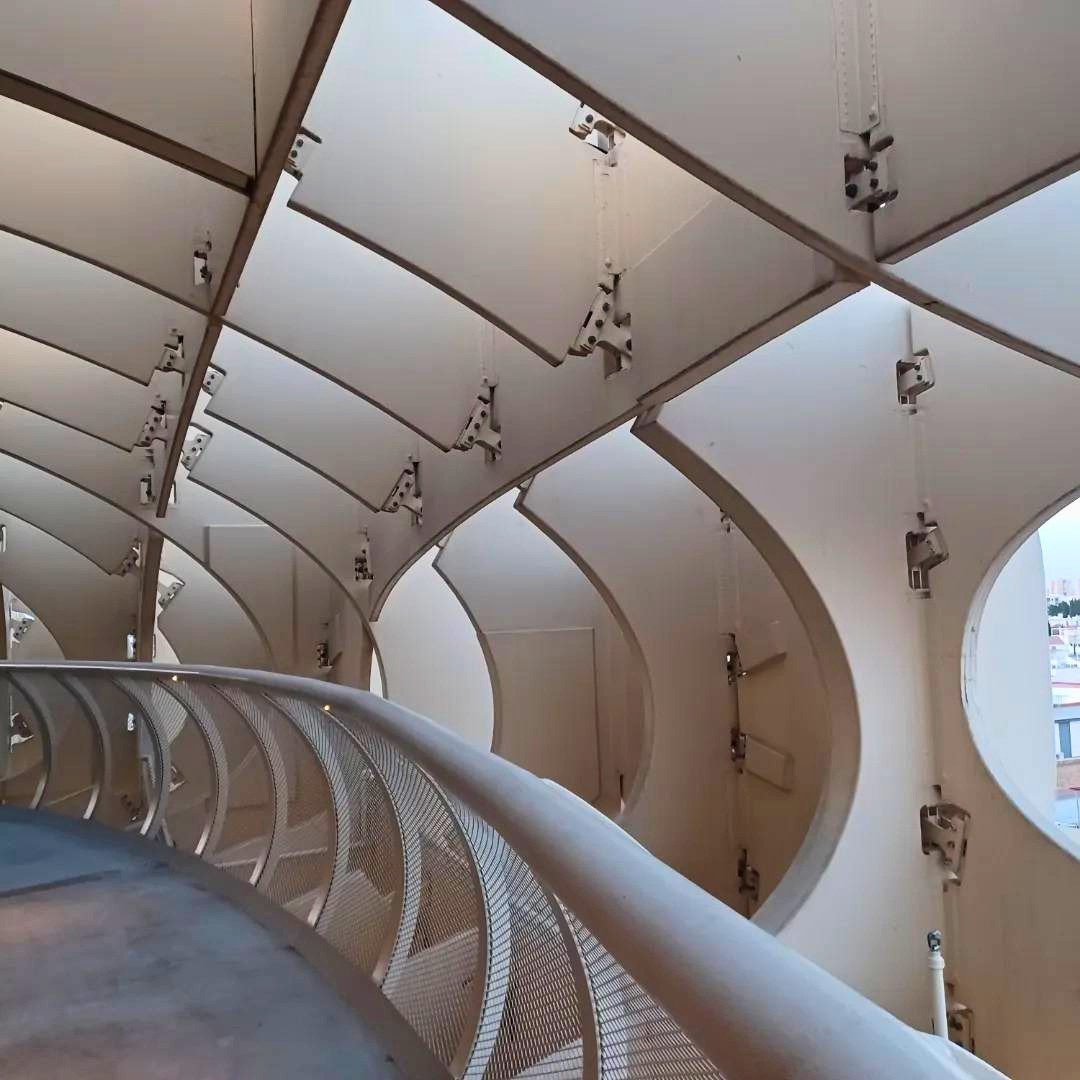
Walking along the sweeping wooden walkways of Metropol Parasol—or as you'll hear it called across Seville, Las Setas ("The Mushrooms").
Walking along the sweeping wooden walkways of Metropol Parasol—or as you'll hear it called across Seville, Las Setas ("The Mushrooms").
Seville or Sevilla?
Czech Republic or Czechia?
Geneva or… Ginebra?
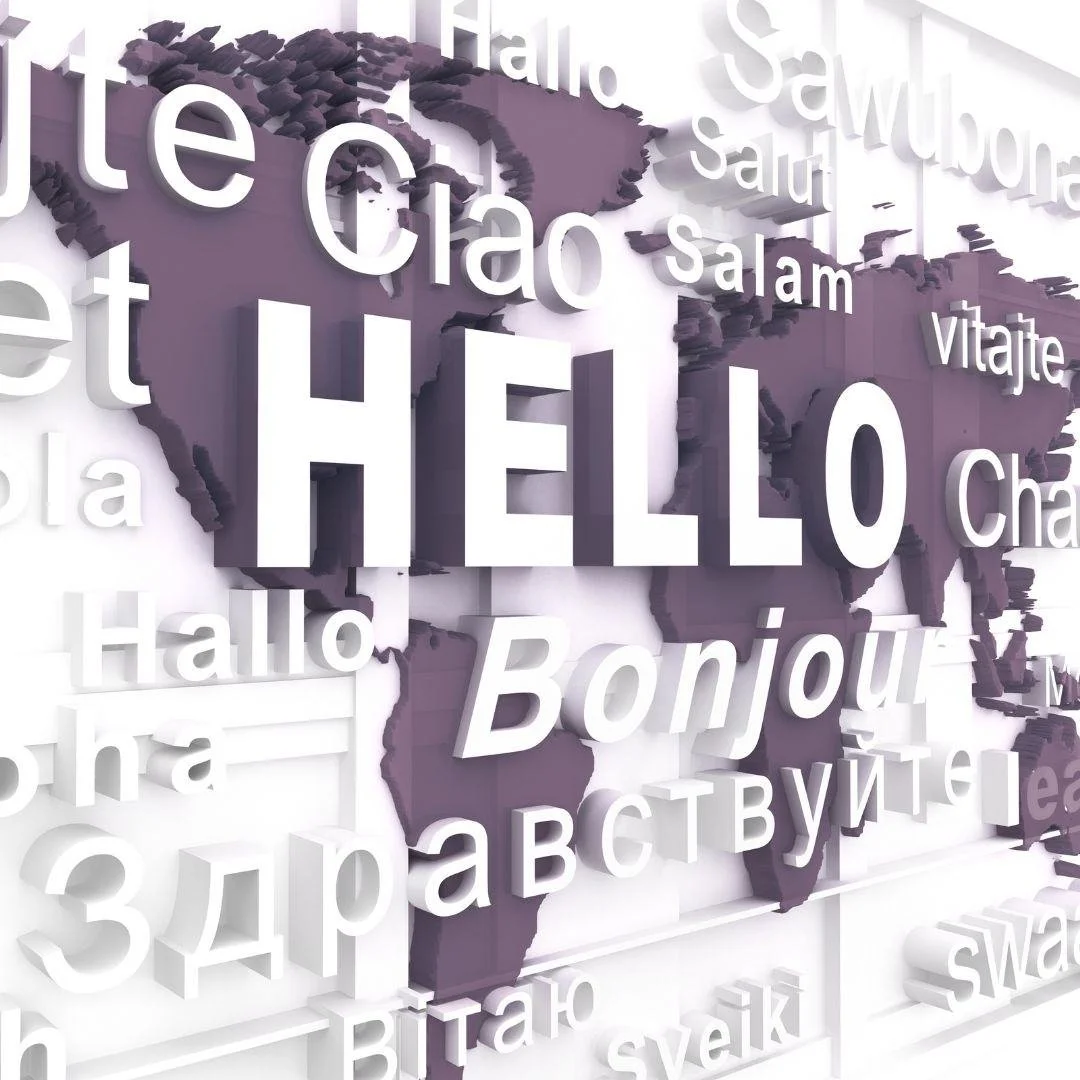
Names shift as fluidly as languages themselves, and for travelers, that can be both confusing and delightful.
I’ll never forget standing in a Spanish airport, scanning the departure board in a mild panic. My flight to Geneva seemed to have vanished. No mention of it anywhere. For a brief moment, I wondered if I was in the wrong terminal entirely. Then I spotted it: “Ginebra.” In Spanish, Geneva becomes Ginebra — which, amusingly, is also the word for gin. The only mix-up was in my own thinking: I needed to stop searching in English and switch to the local language lens.
It’s a small moment, but one every Sojourner encounters sooner or later. Place names reveal history, culture, and perspective. They remind us that travel isn’t just about landscapes and monuments; it’s about learning to see the world through the words others use to describe it.
Sojourner's Note: A Name Given by the Community
Officially, Seville’s iconic timber structure is named Metropol Parasol. But if you ask a local for directions, they’ll simply point you toward Las Setas ("The Mushrooms")—a nickname born from the way the giant wooden canopies rise above the plaza. It’s a classic example of how a place’s true identity is often written by the people who live there.
Language & Identity in Place Names
Every place has at least two names:
The one used locally (endonym).
The one used by outsiders (exonym).
For example:
Sevilla → Seville in English.
Firenze → Florence.
Köln → Cologne.
München → Munich.
Neither is “wrong.” Each reflects history and how languages shape the way we see the world. When you use the local version, you step a little closer to the culture itself.
Geneva: Many Names, One City
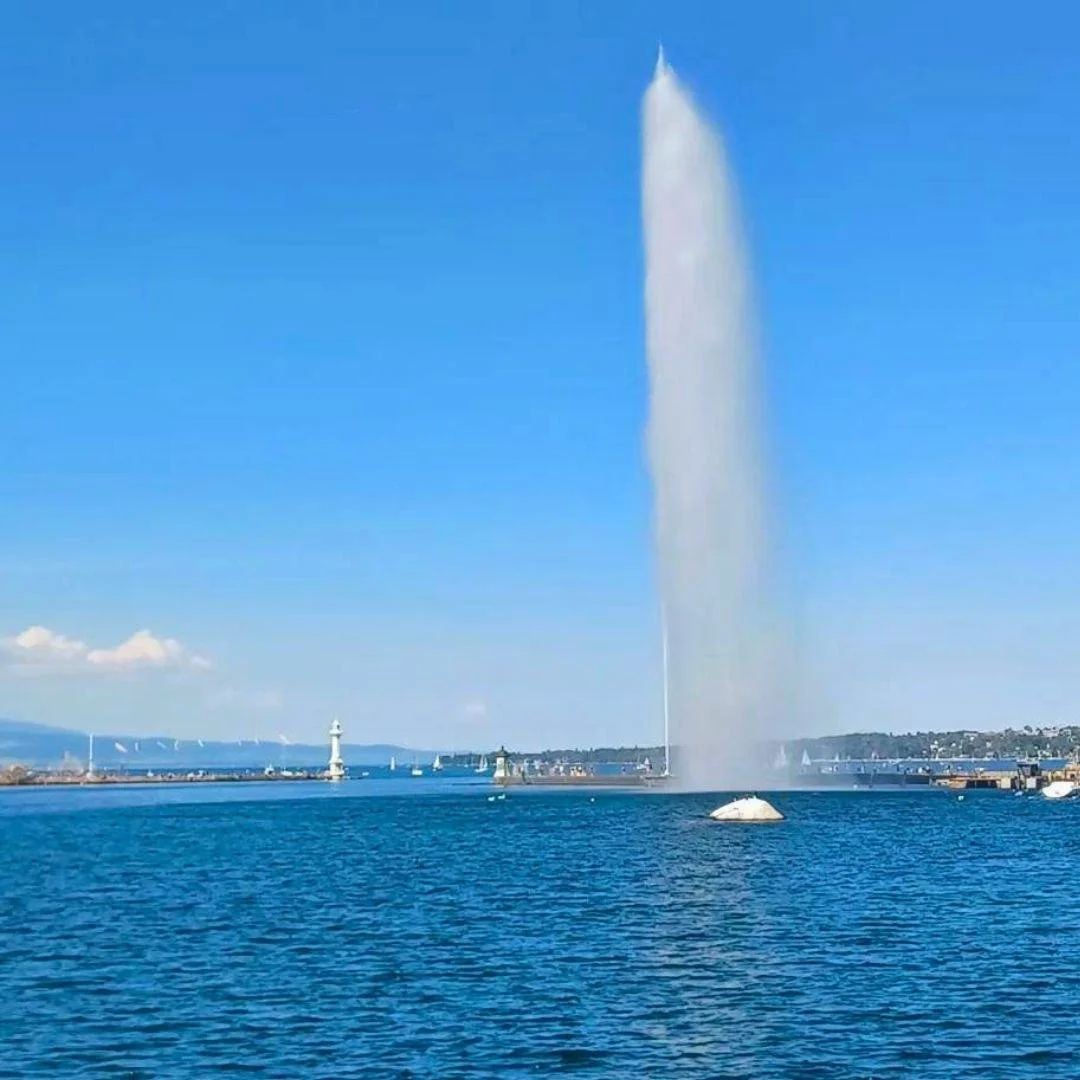
Looking out across Lake Geneva toward the Jet d’Eau—a striking constant in a city known by many names across languages.
My airport experience was a reminder that even one city can carry many names depending on the language lens.
In French, Geneva is Genève — the official name within Switzerland.
In German, it’s Genf.
In Italian, it’s Ginevra.
In Romansh, it’s Genevra.
And in Spanish, it’s Ginebra — the version that nearly threw me off course that day.
For a traveler, this can feel dizzying at first. But it’s also a beautiful reminder: places are not static labels. They’re living identities, shaped by the languages and histories of those who speak them.
Modern Shifts in Official Names
Some countries have recently encouraged travelers to adopt their preferred short or local names:
Czech Republic → Czechia (to modernize and align with global standards).
Macedonia → North Macedonia (to resolve a naming dispute).
Holland → The Netherlands (to clarify the broader identity).
These changes sometimes cause confusion, but they also offer an invitation to learn the deeper story behind a destination’s identity.
Why It Matters for Travelers
Understanding local names can help travelers in practical and personal ways:
Navigation: Train stations, airports, and road signs may only use the local version (e.g., Firenze instead of Florence).
Connection: Using the local name often sparks a smile and signals respect for culture.
Perspective: Seeing how names shift shows how interconnected, and yet unique, cultures really are.
That moment at the airport with Geneva/Ginebra wasn’t just a vocabulary lesson. It was a reminder to step outside of my own assumptions and embrace the world as it presents itself.
A Fun Aside — Alemania
Even the names we carry with us can shift. While attending a Spanish language immersion school in Madrid, one of my classmates was from Germany. As we practiced introducing ourselves in Spanish, Alemania came up again and again, eventually becoming a funny little word association that stuck. To this day, I still instinctively think of Germany as Alemania — and it always makes me smile. Dorky? Maybe. But it’s also a reminder that travel changes not just the way we see the world, but even the way we name it in our own minds.
How ETC Weaves This into Sojourns
At Eclectic Travel Company, we believe the details matter. Whether it’s choosing the most authentic expression of a city’s name or you’re designing an itinerary through our 5D Travel Blueprint that balances the familiar with the unexpected, we see these nuances as part of the art of sojourn design.
That’s why we encourage every traveler to move through the world with a dual lens: the names you’ll recognize (for clarity and ease), and the names you’ll discover on the ground (for authenticity and depth). It’s a small way our 5D Travel Blueprint brings intentionality to every experience.
The Spirit Behind the Name
Whether you say Seville or Sevilla, Czech Republic or Czechia, Geneva or Ginebra, the essence of travel lies in discovery. Names may shift with language, but each reflects a layer of history, culture, and meaning.
For the Sojourner, every name is an invitation to look deeper. To ask: How do others see this place? What story does this word carry?
And that’s the magic of travel — the moment when even a departure board teaches you something new.
When Names Meet the Journey
These differences aren't only interesting pieces of language and history. Sometimes, they become practical details of the journey itself.
If you've ever searched an airport departure board for a familiar destination and wondered where it went, explore The Traveler's Airport Language Guide: When Familiar Destinations Have Unfamiliar Names. It's a companion guide to recognizing local place names, understanding airport codes, and navigating international travel with a little more confidence.
For a practical place to begin, explore the free 5D Travel Blueprint or explore Sojourner’s Index: A Living Collection, our curated Recommended Tools & Resources hub.
Continue Your Sojourn
Explore what sparks your curiosity next.